Project Governance Framework vs Risk Framework: Key Differences Explained

Understanding the dynamics between project governance frameworks and risk frameworks is crucial for any organization aiming to achieve strategic success. While both frameworks serve distinct purposes, the intersection of governance and risk management is where true organizational resilience is born. This blog delves deep into how integrating these frameworks lays the foundation for a robust strategy, enabling businesses to navigate uncertainties with confidence. Let’s unpack the essentials of these frameworks and their integration.

Understanding the Basics of Governance and Risk Frameworks
Project governance refers to the structures, processes, and practices that direct and manage project initiatives. It ensures that projects align with an organization's strategic objectives, facilitating accountability and transparency throughout the project lifecycle. Good governance promotes stakeholder engagement, clarifies roles, and establishes decision-making protocols. This framework is pivotal because it provides a clear roadmap for achieving project goals while ensuring compliance with organizational policies and standards.
On the other hand, a risk framework is designed to identify, assess, and manage potential risks that could impede the achievement of objectives. This includes both internal and external risks, such as market fluctuations, regulatory changes, or operational failures. The risk framework typically involves risk identification, analysis, response planning, and monitoring. Without a solid risk management strategy, organizations may find themselves unprepared for unforeseen challenges, ultimately jeopardizing their project outcomes.
Though distinct, these two frameworks are inherently linked. Project governance sets the guidelines and accountability measures, while the risk framework assesses the landscape in which these projects operate. Understanding both frameworks is essential for effective project management, as they work together to mitigate risks while ensuring projects stay on course toward strategic objectives.
Key Differences Between Project Governance and Risk Frameworks
The primary distinction between project governance and risk frameworks lies in their focus. Project governance is primarily concerned with the "how" of project execution. It defines the roles, responsibilities, and processes necessary for successful project delivery, ensuring that the project is aligned with the broader organizational strategy. This includes stakeholder management, resource allocation, and performance monitoring.
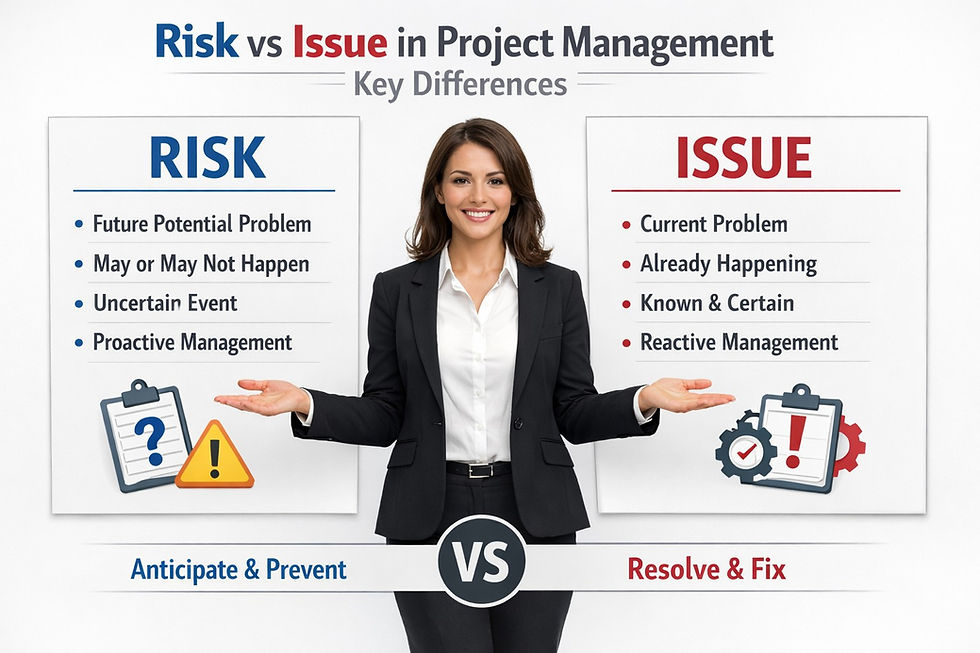
Conversely, risk frameworks focus on the "what if." They are geared towards identifying potential obstacles and devising strategies to mitigate them. This includes anticipating risks, assessing their impacts, and crafting risk response strategies. While project governance is more about structural and procedural integrity, the risk framework is proactive, aimed at safeguarding projects against uncertainties.
Another key difference is in the metrics used for evaluation.
Project governance success is typically measured through performance indicators such as project timelines, budget adherence, and stakeholder satisfaction. In contrast, the effectiveness of a risk framework is often evaluated based on the organization's resilience and its ability to recover from setbacks. Both frameworks contribute to organizational success, but they do so through different lenses.
The Importance of Integrating Strategy with Risk Management
Integrating strategy with risk management is not just a best practice; it’s a necessity for organizations aiming to thrive in today’s complex business environment. Strategic risks, which can arise from market dynamics, technological disruptions, or competitive pressures, can have profound implications on a project’s success. By embedding risk management into the strategic planning process, organizations can identify potential obstacles early and create robust contingency plans.
Moreover, integration fosters a culture of proactive risk awareness across all levels of the organization. When teams understand that risk management is a strategic priority, they are more likely to identify and communicate risks promptly. This collective vigilance not only enhances project success rates but also aligns individual objectives with organizational goals, creating a cohesive approach to risk mitigation.
Furthermore, aligning strategy with risk management ensures better resource allocation. By understanding the risks associated with different strategic initiatives, organizations can prioritize projects that offer the best balance of opportunity and risk. This strategic alignment promotes informed decision-making, ultimately enhancing the organization’s capacity to pursue its goals effectively.
Benefits of a Unified Governance and Risk Approach
A unified governance and risk approach can yield several significant benefits for organizations. First, it enhances decision-making capabilities. When governance structures are informed by a comprehensive understanding of risks, leaders can make more nuanced decisions that consider both strategic objectives and potential hurdles. This holistic view ensures that projects are not only feasible but also aligned with the organization's long-term vision.
Second, this integration promotes accountability. A clear governance framework that incorporates risk management responsibilities establishes a chain of accountability. Team members understand their roles in both delivering on project objectives and managing associated risks. This clarity fosters a culture of ownership, where everyone feels empowered to contribute to project success.
Third, a unified approach enhances organizational agility. In rapidly changing environments, the ability to adapt quickly is vital. When governance and risk management are intertwined, organizations can pivot seamlessly in response to emerging risks or opportunities. This agility not only protects existing projects but also positions the organization to capitalize on new ventures as they arise.
Steps to Achieve Effective Integration of Frameworks
Achieving effective integration of project governance and risk frameworks requires a systematic approach. The first step is to conduct a comprehensive assessment of existing governance and risk management processes.
This involves identifying overlaps, gaps, and areas for improvement. Engaging stakeholders in this assessment can provide invaluable insights and foster buy-in for the integration process.
Next, organizations should develop a common language and set of metrics that apply to both frameworks. This includes defining key terms, establishing performance indicators, and creating reporting mechanisms that reflect both governance and risk management outcomes. A unified set of metrics not only simplifies communication but also enables better tracking of progress and performance.
Finally, training and development are crucial for successful integration. Employees at all levels should receive education on both governance and risk management principles. This training should emphasize the interconnectedness of the two frameworks and provide practical tools for navigating them. By equipping teams with the necessary knowledge and skills, organizations can foster a culture of integrated governance and risk management.
Common Challenges in Implementing Governance and Risk Strategies
Implementing integrated governance and risk strategies can come with its fair share of challenges. One common hurdle is resistance to change. Employees may be accustomed to existing processes and hesitant to adopt new frameworks. To overcome this, organizations must communicate the benefits of integration clearly and involve stakeholders in the change process. Creating a sense of ownership can make the transition smoother.
Another challenge is the potential for siloed thinking. Departments may have their own governance and risk processes that do not align with the broader organizational framework. Breaking down these silos requires fostering collaboration and encouraging cross-functional teams to share insights and best practices. Regular meetings and workshops can help promote a unified approach and mitigate siloed behaviors.
Finally, the complexity of integrating diverse frameworks can be daunting. Organizations often struggle with aligning different methodologies, tools, and technologies. To address this, it’s essential to adopt a phased approach to integration. Starting with pilot projects can provide valuable learning experiences and pave the way for broader implementation.
Real-World Examples of Successful Framework Integration
Several organizations have successfully integrated governance and risk frameworks, yielding impressive results. For instance, a leading multinational corporation in the consumer goods sector revamped its project governance structure by embedding risk management principles into its project lifecycle. This integration led to a significant reduction in project overruns and enhanced stakeholder satisfaction, demonstrating the tangible benefits of a unified approach.
Another notable example comes from a global financial services firm that linked its governance and risk frameworks to optimize its project portfolio. By utilizing a shared framework for assessing risks across all projects, the firm was able to prioritize initiatives that aligned with its strategic objectives. This resulted in a 30% increase in project success rates, showcasing how strategic alignment through integration can
drive performance.
Lastly, a tech company implemented an integrated governance and risk framework that facilitated real-time risk monitoring during project execution. This proactive approach enabled the organization to address potential issues before they escalated, significantly improving its project delivery timelines and overall efficiency.
Future Trends in Project Governance and Risk Management
As organizations navigate an increasingly complex landscape, several trends are emerging in project governance and risk management. One notable trend is the growing emphasis on data-driven decision-making. Advanced analytics and AI tools are being utilized to assess risks with more precision and predict outcomes based on historical data. This shift towards data-centric approaches enhances the effectiveness of both governance and risk frameworks.
Another trend is the focus on sustainability and corporate responsibility. Organizations are increasingly recognizing the need to incorporate environmental, social, and governance (ESG) factors into their project governance and risk management processes. This integration not only aligns with stakeholder expectations but also promotes long-term value creation.
Lastly, the rise of remote and hybrid work environments is reshaping governance and risk management practices. Organizations are adapting their frameworks to address the unique risks associated with distributed teams, such as cybersecurity threats and communication challenges. This evolution is driving innovation in governance and risk strategies, ensuring they remain relevant in a rapidly changing world.
Conclusion - Project Governance Framework vs Risk Framework
Understanding the intricacies of project governance and risk frameworks is essential for organizations looking to thrive in today's complex business environment. By integrating these frameworks, companies can create a resilient strategy that not only anticipates potential challenges but also positions them for long-term success. Embracing this holistic approach ensures that organizations are better equipped to navigate uncertainties, ultimately leading to improved project outcomes and organizational performance.
Hashtags: #ProjectGovernance #RiskManagement #StrategyIntegration #BusinessResilience #AgileFrameworks
Discover More great insights at on project reporting and project dashboards