5 Myths About Value Stream Management (VSM) You Should Ignore

Value Stream Management (VSM) is more than just a trending topic in the corporate world; it’s a vital approach for organizations aiming to enhance efficiency, improve workflows, and deliver value. However, several myths surround VSM that can mislead organizations, stifling their potential to implement effective practices. In this article, we will debunk five prevalent myths about Value Stream Management that you need to stop believing. By understanding what VSM truly entails, businesses can harness its full potential for lasting success.

Understanding Value Stream Management: The Basics You Need
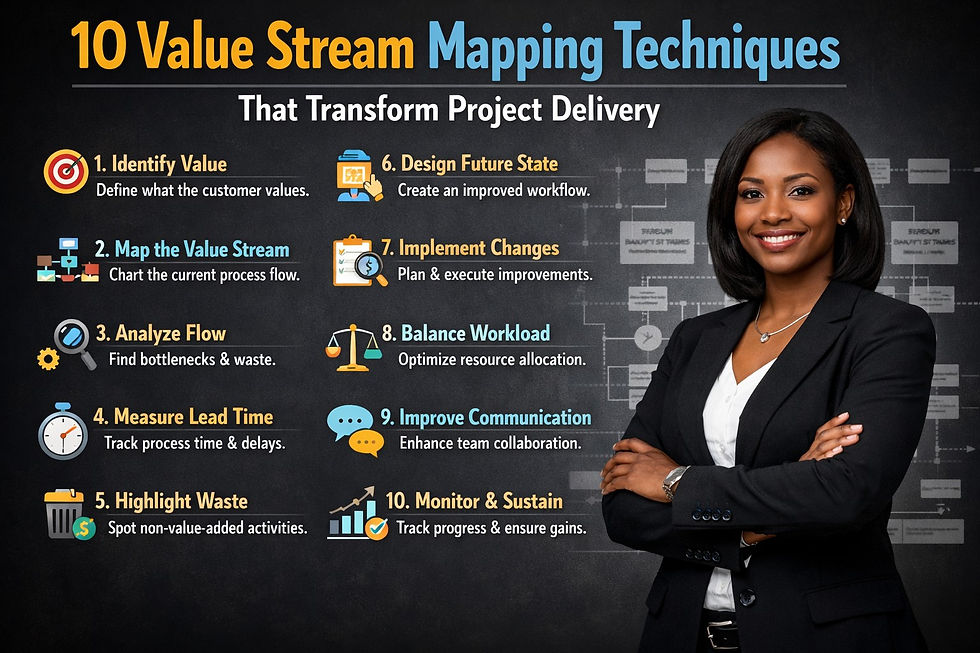
Value Stream Management is a methodology aimed at visualizing and optimizing the flow of information and materials needed to deliver a product or service to the customer. At its core, VSM seeks to identify value-adding activities and eliminate waste in the process. This is not merely about reducing costs; it's about maximizing value at every step, from inception to delivery. Effective VSM enables organizations to achieve better alignment between business strategies and operational execution.
Moreover, VSM encompasses a holistic view of processes, extending beyond the confines of production lines. It involves cross-functional collaboration and encourages teams to work together toward common goals. By breaking down silos, organizations can foster a culture of continuous improvement, where feedback and data drive decisions, resulting in enhanced customer satisfaction and loyalty.
Finally, VSM is not a one-size-fits-all approach. Each organization has unique needs and challenges, making it essential to tailor VSM practices to fit specific contexts. By understanding the unique characteristics of their value streams, companies can create targeted strategies that drive meaningful change and foster innovation.
Myth 1: VSM Is Only for Manufacturing Companies
Many people mistakenly believe that Value Stream Management is relegated exclusively to manufacturing environments. While it is true that VSM originated from lean manufacturing principles, its principles are universally applicable across various sectors, including healthcare, finance, and software development. Any organization that delivers products or services can benefit from mapping and optimizing its value streams.
In the healthcare industry, for example, VSM can be used to streamline patient care processes, reducing wait times and improving the quality of service. Similarly, in the finance sector, VSM can help optimize workflows related to customer service, loan processing, and claims handling, ultimately enhancing customer satisfaction. As a result, organizations across all sectors can leverage VSM to identify areas of improvement, regardless of their industry.
Additionally, the digital transformation landscape is driving the adoption of VSM in non-manufacturing sectors. With the increasing reliance on technology and data analytics, service-based organizations can now visualize and optimize their processes in ways that were previously unimaginable. This adaptability highlights the versatility of VSM, demonstrating that it is not limited to traditional manufacturing environments.
Myth 2: Implementing VSM Is a One-Time Task
Another widespread myth is that implementing VSM is a one-time project, akin to deploying new software or training staff. In reality, VSM is a continuous journey that requires ongoing commitment and adaptation. Companies cannot simply map their value streams once and expect to see lasting improvements. Instead, they must view VSM as an integral part of their organizational culture.
The continuous nature of VSM means that companies should regularly review and refine their processes. This involves soliciting feedback from team members, analyzing performance metrics, and adapting strategies based on evolving market conditions or customer needs. By fostering a culture of continuous improvement, organizations can ensure that their value streams remain aligned with their strategic objectives.
Moreover, the effectiveness of VSM is amplified when it integrates seamlessly with other methodologies, such as Agile or Six Sigma. The ongoing nature of VSM allows organizations to iterate on their processes, respond to change, and continually enhance their workflows to deliver greater value to their customers over time.
Myth 3: VSM Only Focuses on Reducing Costs
A common misconception is that Value Stream Management is solely concerned with cost reduction. While enhancing efficiency and lowering costs are undoubtedly important aspects, VSM goes far beyond mere financial considerations. The primary goal of VSM is to maximize value delivered to the customer, which encompasses various dimensions, including quality, speed, and customer satisfaction.
By focusing on the overall value proposition, organizations can identify opportunities for increasing revenue, improving product quality, and enhancing customer retention. For example, rather than cutting corners to save money, companies can invest in better training for employees, leading to improved performance and greater customer satisfaction. This holistic view enables organizations to align their operations with their strategic goals, ensuring that every aspect of the value stream contributes positively.
Furthermore, VSM encourages organizations to consider the customer's perspective. This customer-centric focus can lead to innovations and improvements that may not have been identified through a purely cost-reduction lens. By prioritizing value creation over cost-cutting, organizations can differentiate themselves in competitive markets and build lasting relationships with their customers.
Myth 4: VSM Is About Mapping, Not Improvement
Many organizations reduce VSM to the activity of mapping processes and fail to recognize its broader implications for improvement. While mapping is certainly a critical step in VSM, it is merely the starting point. The true power of VSM lies in its ability to drive actionable insights that lead to meaningful changes in organizational performance.
Mapping value streams can help identify bottlenecks, redundancies, and inefficiencies, but the work does not stop there. Organizations must take the next step to analyze the data gathered during the mapping process and implement changes accordingly. This might involve re-engineering workflows, investing in new technologies, or providing employees with additional training to enhance their skills.
Moreover, the continuous improvement aspect of VSM means that organizations should establish mechanisms for regularly revisiting and refining their processes. By treating VSM as an ongoing improvement initiative rather than a one-off mapping exercise, organizations can foster a culture of accountability and empowerment, where employees are encouraged to contribute their insights and ideas for enhancing value delivery.
Myth 5: VSM Is Too Complex for Large Organizations
Some organizations believe that VSM is too complex to implement at a large scale. This myth stems from the misconception that VSM is only suitable for small teams or projects. In reality, VSM can be scaled to fit the unique complexities of large organizations, provided that the right approach and mindset are adopted.
Successful VSM implementation in large organizations often begins with pilot projects or teams that focus on specific value streams. By starting small, organizations can learn valuable lessons and refine their approach before scaling VSM initiatives across the enterprise. This incremental process allows for manageable change, minimizing disruptions while maximizing the potential for success.
Additionally, leveraging technology can simplify the complexities often associated with VSM at scale. Various tools and software applications are available to support the mapping, analysis, and continuous improvement activities inherent in VSM. By utilizing these resources, large organizations can streamline their VSM efforts, ensuring a more efficient and effective implementation process.
Real-World Benefits of Debunking These Myths
By dispelling these myths and embracing the true principles of Value Stream Management, organizations can unlock a range of benefits that drive performance and enhance customer satisfaction. First and foremost, VSM fosters a culture of collaboration, breaking down silos between departments and encouraging cross-functional teams to work together toward common goals. This collaboration leads to improved communication, faster problem-solving, and ultimately, a more agile organization.
Moreover, organizations that embrace VSM often experience enhanced operational efficiency. By continuously analyzing and optimizing value streams, businesses can identify and eliminate waste, streamline processes, and improve lead times. These improvements not only reduce costs but also enhance the overall quality of products and services, leading to greater customer loyalty.
Finally, organizations that successfully implement VSM are better positioned to adapt to changing market conditions and customer needs. In an ever-evolving business landscape, the ability to respond quickly and effectively is crucial for sustained success. By fostering a culture of continuous improvement through VSM, organizations can remain agile and competitive, driving long-term growth and profitability.
Taking the Next Steps in Your VSM Journey
Now that you have a clearer understanding of Value Stream Management and the myths surrounding it, it’s time to take action. Start by assessing your organization’s current value streams and identifying areas for improvement. Engage stakeholders from various departments to participate in mapping exercises and gather insights on potential challenges and opportunities.
As you embark on your VSM journey, remember that continuous improvement should be at the forefront of your strategy. Establish mechanisms for regularly reviewing and refining your value streams, and encourage team members to contribute their ideas and insights. This collaborative approach not only enhances the effectiveness of VSM but also fosters a culture of empowerment and accountability throughout the organization.
Finally, consider leveraging technology to support your VSM efforts. Various tools and platforms can help streamline the mapping, analysis, and improvement processes, making it easier to visualize and optimize your value streams. By embracing VSM as a dynamic, ongoing initiative, your organization can unlock its full potential and achieve lasting success.
Conclusion - 5 Myths About Value Stream Management (VSM) You Should Ignore
Value Stream Management is a powerful approach that can transform organizational performance across various sectors. By debunking the myths surrounding VSM, organizations can harness its true potential, driving continuous improvement and delivering greater value to customers. With a commitment to ongoing analysis and a focus on collaboration, businesses can navigate the complexities of today’s rapidly changing landscape and emerge as leaders in their fields.
Tags: Value Stream Management, VSM myths, organizational improvement, continuous improvement, efficiency, operational excellence, customer satisfaction, lean principles, cross-functional collaboration, agile methodologies. For more insights on Value Stream Management, visit IBM
Hashtags: #ValueStreamManagement #ContinuousImprovement #OperationalExcellence #VSMMyths #AgileLeadership