Project Planning Techniques for Logistics Programs and Delivery Success

Project planning in large-scale logistics programs is not just a necessity; it's a strategic imperative. In today's global marketplace, organizations face increasing pressure to optimize their logistics operations while managing complex supply chains. Effective project planning techniques become paramount in addressing the challenges that arise in such environments. By applying the right methodologies and leveraging technology, companies can improve efficiency, reduce costs, and enhance overall performance.
This article will explore key aspects of project planning in large-scale logistics programs, offering insights into essential techniques and best practices that can be adopted by organizations seeking to excel in their logistics efforts.

Understanding the Importance of Project Planning Techniques
In large-scale logistics, project planning techniques serve as the backbone for successful operations. They help to define objectives, allocate resources, and establish timelines, which are essential for meeting demanding customer expectations. With the vast array of tasks involved from procurement to transportation and warehousing efficient planning is crucial to ensure that all facets of the logistics chain operate in harmony. When project planning is executed effectively, organizations can enhance their operational efficiency and deliver products to customers in a timely manner.
Moreover, the logistics sector is marked by its dynamic nature. Changes in demand, shifts in market conditions, and unforeseen disruptions can all impact logistics operations. Well-defined project planning techniques allow organizations to remain agile and adaptable in the face of such challenges. By anticipating potential obstacles and assessing resource availability, businesses can develop contingency plans that enable them to respond quickly to changing circumstances. This level of preparedness can significantly minimize delays and associated costs.
Furthermore, project planning plays a vital role in stakeholder communication. In large-scale logistics, multiple parties are involved, including suppliers, manufacturers, and transportation partners. Proper project planning ensures that all stakeholders are aligned with project goals and timelines. Regular updates and feedback loops become an integral part of the process, fostering collaboration and reducing the risk of misunderstandings. In a complex logistics environment, clear communication is not just beneficial; it is essential for driving project success.
Key Challenges in Large-Scale Logistics Management
Large-scale logistics management is fraught with challenges that can obstruct the smooth flow of operations. One of the most significant issues is the complexity of supply chains, which often span multiple geographical regions and involve various stakeholders. The intricate relationships between suppliers, manufacturers, and distributors can lead to miscommunication, delays, and inefficiencies. For large organizations, navigating this complexity requires robust project planning techniques that can handle the multifaceted nature of logistics operations.
Another challenge is the fluctuating demand patterns that many organizations face. In an era of rapid change, consumer preferences can shift quickly, affecting inventory levels and distribution plans. Large-scale logistics operations must be agile enough to adapt to these changes while maintaining cost-effectiveness. Without effective project planning, organizations may struggle to adjust their logistics strategies, resulting in excess inventory or stockouts that can harm customer satisfaction and profitability.
Lastly, compliance with regulations and sustainability concerns adds another layer of complexity to logistics management. With increasing scrutiny on environmental impact, organizations are under pressure to adopt sustainable practices. These requirements necessitate careful planning to ensure that logistics operations align with regulatory standards.
Failure to address these compliance issues can result in costly fines and reputational damage. By integrating compliance considerations into project planning, organizations can build more resilient logistics operations that are capable of withstanding regulatory scrutiny.
Essential Techniques for Effective Project Planning
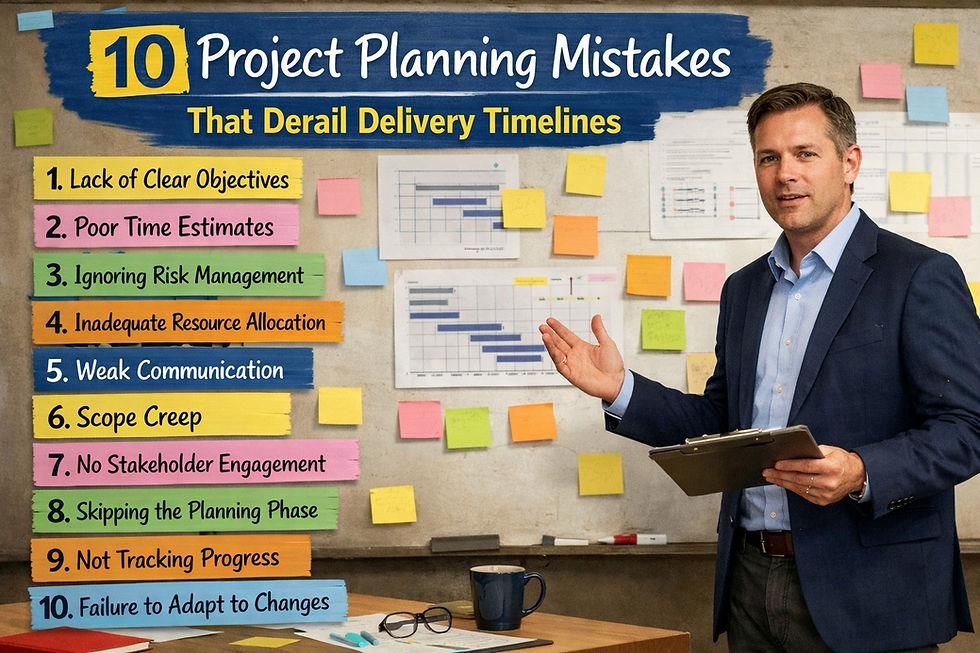
Successful project planning in logistics requires the adoption of several key techniques. First and foremost, organizations should prioritize defining clear objectives. Understanding the end goals allows teams to align their efforts and focus on what truly matters. Whether it's reducing costs, enhancing delivery times, or improving customer service, clear objectives guide decision-making and resource allocation. This clarity helps organizations avoid scope creep, ensuring that all efforts remain focused on achieving the desired outcomes.
Secondly, employing a structured approach to resource allocation is crucial. Large-scale logistics projects often involve significant investments in infrastructure, technology, and human resources. A strategic plan that outlines how resources will be distributed is essential for maximizing efficiency. Organizations can benefit from utilizing resource management tools that provide real-time visibility into resource availability and utilization. This transparency allows for better decision-making and helps mitigate potential bottlenecks in the logistics chain.
Lastly, incorporating stakeholder engagement into the planning process is vital for success. Engaging stakeholders early on fosters a sense of ownership and accountability among team members. It also allows for diverse perspectives to be considered during the planning phase, leading to more comprehensive solutions. Regular stakeholder meetings can be established to review progress, address concerns, and adapt plans as necessary. By building a collaborative environment, organizations can enhance the overall success of their logistics projects.
Utilizing Gantt Charts for Logistics Scheduling
Gantt charts are invaluable tools for logistics project planning and scheduling. They provide a visual representation of project timelines, making it easier to track progress and manage resources effectively. By breaking down the logistics process into distinct tasks, Gantt charts help teams visualize dependencies and critical paths, allowing for more informed decision-making. This clarity is especially important in large-scale logistics, where multiple moving parts must be coordinated seamlessly.
Creating a Gantt chart begins with identifying all project tasks, their durations, and their relationships. For logistics operations, this might include tasks such as procurement, transportation scheduling, warehousing, and distribution. Once these elements are mapped out, organizations can assign responsibilities and deadlines. The Gantt chart then serves as a living document that can be updated as the project progresses, providing a real-time overview of project status and enabling proactive adjustments as needed.
Additionally, Gantt charts facilitate communication among team members and stakeholders. By sharing a visual timeline, everyone involved can quickly understand the project's progress and identify any impending deadlines. This transparency fosters accountability, as team members are more aware of their roles within the larger context of the logistics operation. Ultimately, utilizing Gantt charts helps reduce the risk of delays and enhances the overall efficiency of logistics scheduling.
Agile Methodologies in Logistics Project Management
Agile methodologies have gained traction in various sectors, including logistics project management. The essence of Agile lies in its iterative approach, allowing organizations to adapt quickly to changing circumstances. In the context of logistics, this means breaking down projects into smaller, manageable increments, or sprints, that can be completed within a short timeframe. This approach enables teams to respond to new information and shifting market conditions more effectively.
One of the key benefits of Agile methodologies in logistics is improved responsiveness. Traditional project management methods often follow a linear path, making it difficult to pivot when unexpected challenges arise. Agile, on the other hand, encourages regular assessments and adjustments, allowing teams to address issues as they emerge. For example, if a particular delivery route proves to be inefficient, an Agile team can quickly reassess and modify their approach without derailing the entire project.
Moreover, Agile methodologies foster collaboration and communication within teams. Daily stand-up meetings, a common practice in Agile, encourage team members to share updates, discuss obstacles, and align their efforts. This increased communication helps build a stronger team dynamic and ensures that everyone is on the same page. In large-scale logistics, where coordination among various stakeholders is crucial, Agile methodologies can greatly enhance overall project effectiveness.
Risk Management Strategies in Logistics Projects
Risk management is a critical component of successful logistics project planning. Given the complexity of supply chains and the myriad of external factors that can impact operations, organizations must proactively identify and mitigate potential risks. One effective strategy is conducting a comprehensive risk assessment at the outset of the project. This assessment should involve identifying potential risks, evaluating their likelihood and impact, and developing contingency plans to address them.
In logistics, common risks may include supply chain disruptions, regulatory changes, and fluctuations in demand. For instance, a natural disaster could disrupt transportation routes, affecting delivery timelines. By anticipating such risks and developing strategies to manage them, organizations can minimize their impact on logistics operations. This proactive approach not only enhances resilience but also fosters confidence among stakeholders, knowing that the organization is prepared for potential challenges.
Moreover, organizations should continuously monitor and adapt their risk management strategies throughout the project lifecycle. Regularly reviewing risks and assessing their relevance ensures that teams remain vigilant and responsive to changes in the logistics environment. Utilizing technology, such as risk management software and data analytics, can enhance these efforts by providing real-time insights into potential threats. In a fast-paced logistics landscape, a strong risk management strategy is essential for maintaining operational continuity and safeguarding against unexpected challenges.
Leveraging Technology for Enhanced Project Planning
In an increasingly digital world, technology plays a pivotal role in enhancing project planning in logistics. From sophisticated software solutions to data analytics tools, organizations have a wealth of resources available to streamline their logistics operations. Project management software, for instance, allows teams to create schedules, allocate resources, and track progress in real time. This level of visibility empowers organizations to make informed decisions and respond quickly to changing conditions.
Data analytics is another powerful tool for logistics project planning. By harnessing data from various sources such as historical sales trends, customer feedback, and market conditions organizations can gain valuable insights into demand patterns and optimize their logistics strategies. Predictive analytics, for example, can help businesses forecast future demand, enabling them to adjust inventory levels and distribution plans accordingly.
This data-driven approach enhances operational efficiency and minimizes costs, ultimately leading to improved customer satisfaction.
Additionally, emerging technologies like artificial intelligence and machine learning offer new opportunities for logistics project planning. These technologies can analyze vast amounts of data to identify patterns and provide recommendations for optimizing operations. For instance, AI can help identify the most efficient routes for transportation, reducing delivery times and costs. By embracing these technological advancements, organizations can not only enhance their project planning efforts but also position themselves for success in an increasingly competitive logistics landscape.
Continuous Improvement in Logistics Planning Processes
Continuous improvement is a fundamental principle for organizations looking to excel in logistics project planning. The logistics environment is constantly evolving, and organizations must adapt to remain competitive. To foster a culture of continuous improvement, organizations should implement regular reviews of their planning processes.
These reviews should focus on identifying areas for enhancement, analyzing performance metrics, and gathering feedback from team members and stakeholders.
One effective approach to continuous improvement is the use of Key Performance Indicators (KPIs). By establishing clear KPIs related to logistics project planning, organizations can quantitatively measure their performance and identify gaps.
For instance, KPIs related to delivery times, cost efficiency, and customer satisfaction can provide valuable insights into how well logistics operations are meeting objectives. Regularly reviewing these metrics allows organizations to make data-driven decisions that enhance their planning processes.
Moreover, fostering a culture of innovation and collaboration is essential for continuous improvement. Encouraging team members to share ideas and suggest improvements can lead to valuable insights that might otherwise go unrecognized. Additionally, investing in training and development ensures that team members stay up to date with industry best practices and emerging trends.
By creating an environment that prioritizes continuous improvement, organizations can enhance their logistics planning processes and drive long-term success.
effective project planning techniques are indispensable for large-scale logistics programs. By understanding the importance of structured planning, addressing key challenges, and leveraging technology, organizations can navigate the complexities of logistics management with greater ease.
Project Planning Techniques for Logistics Programs and Delivery Success
Techniques such as Gantt charts, Agile methodologies, and robust risk management strategies play a significant role in optimizing logistics operations. Furthermore, fostering a culture of continuous improvement ensures that organizations remain agile and ready to face the ever-changing dynamics of the logistics landscape.
When executed thoughtfully, strategic project planning can lead to enhanced efficiency, reduced costs, and ultimately, improved customer satisfaction.