
10 Project Planning Mistakes That Derail Delivery Timelines

In project management, ensuring timely and successful project delivery is more challenging than ever. Organizations face increasing pressure to meet tight deadlines, stay within budget, and exceed stakeholder expectations, making effective project planning a critical determinant of success.
However, even the most experienced project teams can fall into common pitfalls during the planning phase, leading to delays, cost overruns, scope creep, and diminished project outcomes. Poor planning not only disrupts schedules but also impacts team productivity, resource allocation, and overall organizational performance, highlighting the need for a disciplined, strategic approach to project initiation and execution.
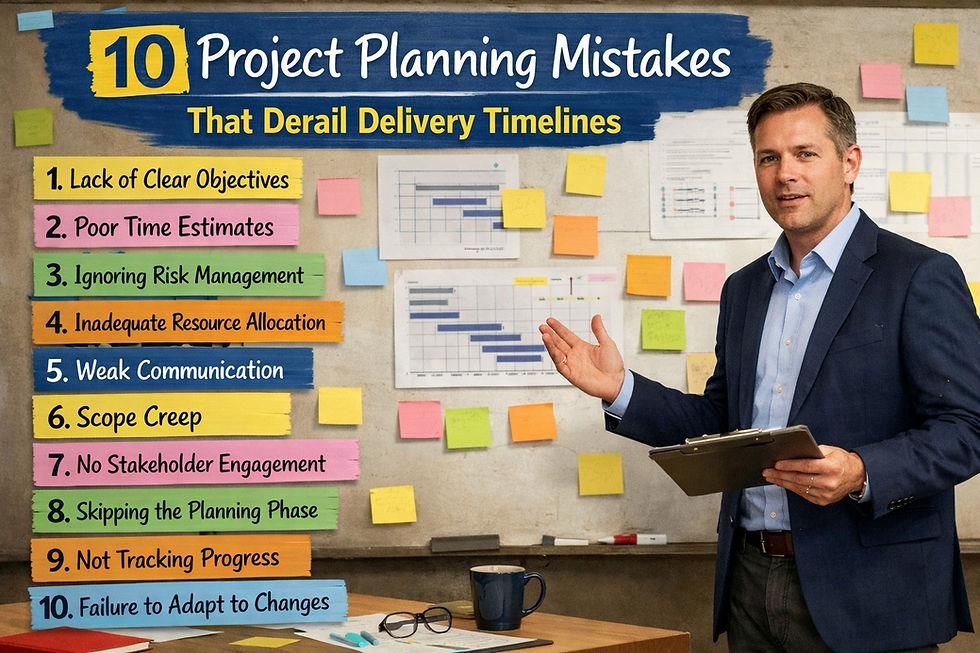
This article explores ten of the most frequent project planning mistakes that can derail delivery timelines and compromise project success. By examining real-world examples and identifying the root causes of planning failures, we provide actionable insights and practical strategies for project managers and teams to proactively mitigate risks.
From inadequate stakeholder engagement and unclear objectives to insufficient risk assessment and ineffective resource management, understanding these pitfalls is essential for avoiding costly mistakes. Additionally, we highlight techniques to enhance project forecasting, communication, and alignment with strategic organizational goals, ensuring that projects deliver maximum value.
Whether you are managing complex enterprise initiatives or smaller operational projects, mastering the art of project planning is crucial for maintaining efficiency, reducing errors, and achieving consistent results. By recognizing these common mistakes and implementing preventive measures, project managers can strengthen planning processes, optimize team performance, and secure successful project delivery.
This comprehensive guide '10 Project Planning Mistakes That Derail Delivery Timelines' serves as a roadmap for organizations seeking to elevate their project management practices, reduce risks, and drive sustained business success in today’s competitive and dynamic landscape.
Understanding the Impact of Poor Project Planning Mistakes
Project planning is the backbone of any successful initiative. When done right, it sets clear expectations, aligns stakeholders, and defines the path to success. However, poor planning can lead to chaos, missed deadlines, and wasted resources. One mistake can snowball into a series of complications that ultimately jeopardize project outcomes. Therefore, understanding the impact of these mistakes is essential for any organization looking to thrive in today’s competitive landscape.
Every project has its unique complexities, and inadequate planning can result in a misalignment of goals and expectations. This misalignment often manifests in misunderstandings among team members, unrealistic timelines, and a lack of stakeholder engagement. The consequences can be severe, from reduced morale and team cohesion to financial losses.
Organizations must recognize that planning is not just a box to check but a vital process that impacts every facet of project execution.
By acknowledging the significance of effective project planning, organizations can cultivate a proactive approach. This involves not only identifying potential missteps but also implementing strategies to mitigate risks. Organizations can create a robust framework for project success by prioritizing thorough planning and continuous evaluation.
Common Pitfalls: Overlooking Stakeholder Engagement
One of the most common mistakes in project planning is sidelining stakeholder engagement. Stakeholders play a crucial role in shaping project objectives and outcomes. When their perspectives are undervalued or ignored, it can lead to a disconnect between project goals and stakeholder expectations. This oversight often results in unforeseen challenges that can derail timelines and complicate project execution.
Effective stakeholder engagement involves more than just periodic updates. It requires actively involving stakeholders in the planning process, gathering their insights, and responding to their concerns. By fostering an inclusive environment, project managers can ensure that all voices are heard, leading to a more comprehensive project plan. This can also help in identifying potential roadblocks early on, allowing teams to address them proactively.
Moreover, effective communication with stakeholders can build trust and enhance collaboration. When stakeholders feel valued and informed, they are more likely to support the project and contribute positively. Ultimately, engaging stakeholders is not just a best practice; it is a strategic necessity that can significantly improve project outcomes.
Failing to Define Clear Project Objectives and Goals
Another frequent mistake in project planning is the absence of clearly defined project objectives and goals. Without a well-articulated vision of what success looks like, teams may flounder, leading to inefficiency and frustration. This lack of clarity can result in misaligned priorities and a scattered approach to project execution, both of which can derail timelines.
Defining clear objectives involves setting specific, measurable, achievable, relevant, and time-bound (SMART) goals. This framework provides a solid foundation for project planning and execution. When teams understand precisely what they are working toward, they can align their efforts and resources more effectively. Additionally, clear goals serve as a reference point for evaluating progress and making adjustments along the way.
Moreover, well-defined objectives can boost team morale and motivation. When employees understand how their work contributes to the organization's broader goals, they are more likely to feel invested in the project’s success. Thus, taking the time to establish clear objectives is an investment that can pay substantial dividends in terms of project timelines and overall outcomes.
Ignoring Resource Allocation and Team Capacity Needs
Resource allocation is a critical aspect of project planning that is often overlooked. Failing to assess the available resources and the capacity of team members can lead to overloading individuals or teams, resulting in burnout and reduced productivity. This oversight can directly impact delivery timelines and compromise the quality of work produced.
To avoid this pitfall, organizations should conduct a thorough assessment of current resources and team capabilities before embarking on a project. This involves evaluating not only the skills and experiences of team members but also their workload and availability. By understanding these factors, project managers can allocate resources more effectively and create a balanced workload that promotes efficiency and enhances team performance.
Additionally, organizations can enhance resource management by implementing project management tools that facilitate visibility into team capacity and workloads. Such tools can help track progress, identify bottlenecks, and allocate resources dynamically. Ultimately, effective resource allocation contributes to a smoother workflow and helps ensure that projects stay on track.
Neglecting to Develop a Realistic Timeline and Milestones
A common oversight in project planning is the neglect of timelines and milestones. While it’s tempting to set ambitious deadlines, doing so without considering the complexities of a project can lead to unrealistic expectations. A lack of a well-thought-out timeline can cause confusion, erode team morale, and result in delays that ripple throughout the project.
To create a realistic timeline, project managers should consider various factors, including team capacity, resource availability, and potential challenges that may arise. Establishing milestones along the way can also provide essential checkpoints for evaluating progress. These milestones serve as motivational markers, allowing teams to celebrate small victories and stay focused on their objectives.
Moreover, flexibility is vital in timeline management.
While it’s essential to have a plan, project managers must be prepared to adjust timelines as needed. By fostering a culture of adaptability, organizations can better navigate unforeseen challenges and maintain momentum, ultimately leading to more successful project delivery.
Underestimating Risks and Not Planning for Contingencies
Every project carries inherent risks, and underestimating these can lead to devastating consequences. Failing to identify potential challenges and devise contingency plans can leave teams unprepared to address setbacks. This oversight can result in misallocated resources, missed deadlines, and increased costs all of which can derail project timelines.
To mitigate risks, project managers should conduct a thorough risk assessment during the planning phase. This involves identifying potential obstacles and evaluating their likelihood and impact. By recognizing risks early, teams can develop proactive strategies to address them, ensuring a more resilient project plan.
Additionally, organizations should cultivate a culture that encourages open dialogue about risks and challenges. By fostering an environment where team members feel comfortable sharing their concerns, project managers can gain valuable insights that may have otherwise gone unnoticed. Ultimately, a proactive approach to risk management is essential for maintaining project timelines and achieving desired outcomes.
Inadequate Communication: A Recipe for Project Delays
Communication is the lifeline of any successful project, and inadequate communication can lead to severe delays. Whether it’s a lack of information flow between team members or insufficient updates to stakeholders, communication gaps can create confusion and misalignment. This oversight often leads to repeated work, missed deadlines, and a fragmented team dynamic.
To ensure effective communication, organizations should establish clear channels and protocols. This includes regular meetings, updates, and feedback loops that keep everyone informed and engaged. Moreover, utilizing project management tools can facilitate real-time communication, allowing team members to share updates, progress, and challenges seamlessly.
Furthermore, fostering a culture of open communication can strengthen team relationships and enhance collaboration. When team members feel comfortable discussing their ideas and concerns, they are more likely to contribute positively to the project. Ultimately, effective communication is not just about sharing information; it’s about building a cohesive team that can navigate challenges together.
Lack of Regular Monitoring and Adjustment Strategies
Regular monitoring and adjustment strategies are often neglected in project planning, leading to stagnation and missed opportunities for improvement. Without ongoing evaluation, teams may continue down a misguided path, unaware of potential adjustments that could enhance efficiency. This oversight can have significant implications for project timelines and outcomes.
To combat this issue, organizations should implement consistent monitoring practices throughout the project lifecycle. This includes tracking progress against established milestones, gathering feedback, and assessing resource allocation. By regularly evaluating performance, project managers can identify areas for improvement and make necessary adjustments to keep the project on track.
Additionally, fostering a culture of continuous improvement encourages teams to embrace change and adapt to new developments. When organizations prioritize regular monitoring and adjustment, they create an agile environment that can respond effectively to challenges. This proactive approach can significantly enhance project delivery timelines and overall success.
GlobalTech Transforms Project Delivery with Lean Project Management
Background
GlobalTech, a multinational technology enterprise with over 15,000 employees, faced significant challenges in delivering large-scale projects on time and within budget. With multiple departments operating in silos and a growing number of concurrent projects, the company experienced frequent delays, duplicated efforts, and unclear project priorities. Stakeholders were frustrated, and management recognized that traditional project management approaches were no longer sufficient to maintain competitiveness.
Challenges Faced
The company identified several critical challenges impacting project delivery:
Poor visibility into project progress and resource allocation
Lack of alignment between project outcomes and strategic objectives
Inefficient workflows causing repeated rework and missed deadlines
Low engagement from cross-functional teams
Implementing Lean Project Management
GlobalTech decided to adopt Lean Project Management across all enterprise-level projects, focusing on:
Value Stream Mapping
Teams mapped all project workflows to identify bottlenecks, redundancies, and non-value-added activities, allowing a clear view of inefficiencies.
Standardized KPIs
Key performance metrics such as cycle time, resource utilization, and on-time delivery were defined to track progress and measure success.
Collaborative Tools
Platforms like Asana and Microsoft Teams were introduced to improve communication, task management, and real-time updates across departments.
Cross-Functional Training
Employees received Lean methodology training, promoting continuous improvement and fostering a culture of collaboration across teams.
Results Achieved
Within 12 months, GlobalTech reported substantial improvements:
30% reduction in project cycle times due to streamlined workflows
25% improvement in resource utilization by eliminating redundant tasks
Higher stakeholder satisfaction, as projects consistently met strategic objectives
Enhanced team collaboration with cross-departmental visibility and accountability
Key Takeaways
Align every project with strategic organizational goals for maximum impact
Apply Lean methodologies to identify inefficiencies and optimize workflows
Leverage collaborative tools to improve communication and accountability
Promote continuous improvement to achieve sustainable, measurable results
Case Study Conclusion
By adopting Lean Project Management and integrating robust tools and methodologies, GlobalTech successfully transformed its project delivery processes. This case demonstrates that focusing on value, reducing waste, and fostering collaboration can dramatically improve efficiency, alignment, and overall project success for large enterprises.
FAQ Section
What Are the Most Common Project Planning Mistakes?
Common project planning mistakes include unclear objectives, insufficient stakeholder engagement, unrealistic timelines, inadequate resource allocation, and poor risk assessment. These errors can lead to delays, cost overruns, and scope creep, undermining project success.
How Does Poor Planning Affect Project Delivery?
Poor planning disrupts schedules, reduces team productivity, and misaligns resources. It can cause missed deadlines, budget overruns, and dissatisfaction among stakeholders, ultimately impacting the organization’s strategic goals.
Why Is Stakeholder Engagement Important in Project Planning?
Engaging stakeholders early ensures expectations are aligned, requirements are fully understood, and potential conflicts are addressed. Strong stakeholder involvement improves decision-making and supports smoother project execution.
How Can Risk Assessment Prevent Project Failures?
Effective risk assessment identifies potential challenges before they occur, allowing project managers to develop mitigation strategies. This proactive approach reduces the likelihood of delays, cost overruns, and project disruptions.
What Role Does Resource Management Play in Project Success?
Proper resource management ensures that teams have the right skills, tools, and capacity to complete tasks. Poor allocation can overburden staff, delay activities, and reduce overall project efficiency.
How Can Clear Objectives Improve Project Planning?
Clearly defined objectives provide direction, guide prioritization, and help measure success. Without clarity, teams may work toward conflicting goals, leading to inefficiencies and project setbacks.
What Are the Best Practices for Avoiding Project Planning Pitfalls?
Best practices include thorough stakeholder engagement, realistic scheduling, comprehensive risk analysis, proper resource allocation, and continuous monitoring. Using project management tools and techniques helps teams stay organized and aligned.
How Can Project Forecasting Enhance Delivery Timelines?
Forecasting allows project managers to anticipate potential delays, resource shortages, or budget issues. Accurate forecasting supports better planning decisions and helps ensure timely project delivery.
Why Is Communication Critical During the Planning Phase?
Transparent and continuous communication ensures all team members understand their responsibilities, progress is tracked, and issues are addressed promptly. This fosters collaboration and prevents misunderstandings.
How Does Aligning Projects with Organizational Goals Reduce Risks?
Ensuring projects support broader strategic objectives helps prioritize initiatives, allocate resources effectively, and avoid pursuing low-value activities. Alignment improves organizational performance and maximizes return on investment.
Conclusion - 10 Project Planning Mistakes That Derail Delivery Timelines
Effective project planning is the cornerstone of successful project management and organizational excellence. In today’s competitive business environment, even minor oversights during the planning phase can cascade into significant delays, budget overruns, and compromised outcomes.
By understanding and addressing the ten common project planning mistakes outlined in this article, organizations can strengthen their strategic approach, mitigate risks, and enhance overall project performance. This is not merely about avoiding errors it is about embedding a culture of precision, accountability, and proactive decision-making across every level of the project lifecycle.
A disciplined approach to project planning ensures that objectives are clearly defined, resources are allocated efficiently, and risks are identified and managed before they escalate. Organizations that prioritize stakeholder engagement, transparent communication, and rigorous risk assessment can avoid costly surprises while maintaining alignment with broader strategic goals.
Moreover, leveraging modern project management tools and fostering cross-functional collaboration enables teams to respond effectively to changing circumstances, maintain momentum, and deliver measurable value.
Ultimately, successful project management is a reflection of organizational leadership, foresight, and operational rigor. Companies that internalize these lessons not only improve project delivery but also cultivate a resilient, high-performing culture capable of adapting to complexity and driving sustainable growth.
By proactively addressing planning pitfalls, organizations position themselves to exceed stakeholder expectations, optimize performance, and achieve competitive advantage. Embedding these principles into your project management strategy is not optional it is essential for driving consistent, measurable success in today’s fast-paced corporate landscape.
This approach transforms project planning from a procedural step into a strategic advantage, ensuring projects are delivered on time, within budget, and with maximum impact.
External Source: Explore 10 Steps for Successful Project Planning https://finansys.com/blog/project-planning-steps/
Discover More great insights at
Hashtags: #ProjectManagement #DeliveryTimelines #StakeholderEngagement #RiskManagement #TeamCollaboration


