Project Planning Strategies for Security Technology Implementation


Running a business successfully is not just about achieving targets for sales and profits. It is also about keeping data, people, and premises secure. A 2025 survey cited by Risk & Insurance magazine highlights that cyber threats have emerged as the top concern for medium and large businesses in the US. Reported attacks have increased 150% over the past decade, with 1 in 4 companies now experiencing breaches. Physical risks like vandalism and theft are also growing in numbers.
Not surprisingly, more and more businesses are ramping up their security, both physical and virtual, with technology solutions. However, security technology projects need careful planning because they touch many parts of an organization. Multiple stakeholders bring different priorities and constraints. Compliance mandates, privacy concerns, and the need to integrate with existing systems further complicate deployment.
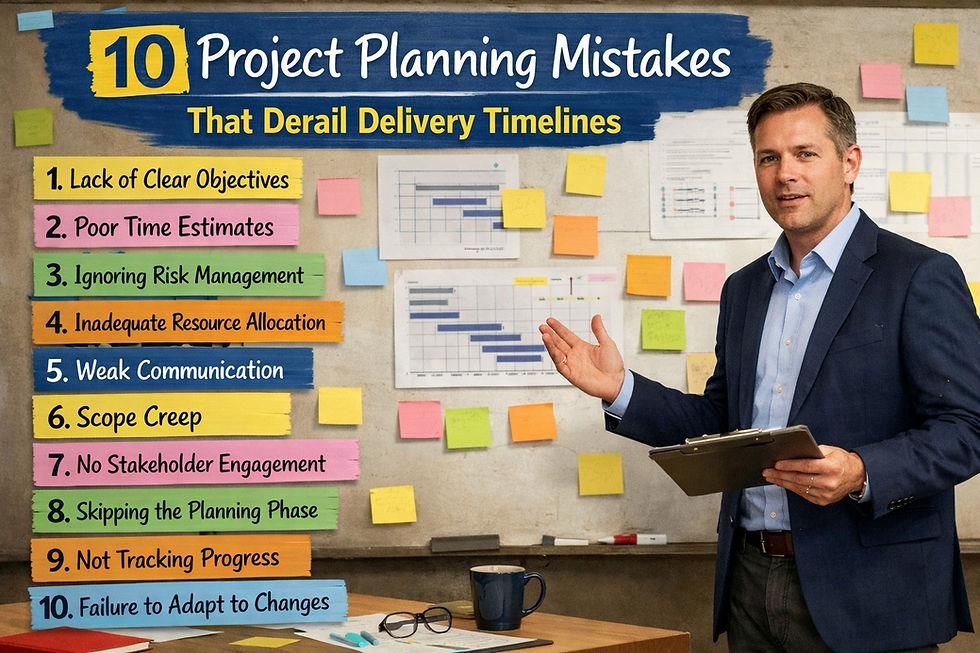
Poor planning can cause delays, budget overruns, gaps in protection, and low user adoption. Successful implementations require a balance between technical performance, operational workflows, and security objectives.
This article shares the practical planning steps to help organizations deliver secure, effective technology solutions.
Define Clear Project Goals and Security Needs
The project should begin with translating business objectives into security outcomes. Indeed explains the importance of setting project goals early. Goals describe the expected long-term effects and outcomes of the project. They inform every decision throughout the project lifecycle and ensure that it runs smoothly from start to end.
When planning a security implementation, clarify what risks the project must reduce, such as theft, unauthorized access, insider threats, tailgating, or compliance violations. Specify the facilities, assets, or user groups you intend to protect. These may include headquarters, data centers, labs, high-value inventory, or visitor populations. This information will reflect real-world needs.
From those needs derive measurable success criteria, such as reduced access violations by X percent, or average incident response time under Y minutes. Clear, measurable requirements streamline procurement, make vendor comparisons meaningful, and reduce scope creep by anchoring technical choices to business value.
Engage Key Stakeholders from the Beginning
Early stakeholder engagement prevents surprises later. According to Forbes, conducting stakeholder analysis at the beginning of a project gives a better understanding of their unique needs and primary requirements. A stakeholder could be a person or group impacted by the project.
For security implementation, representatives from IT, security, facilities, HR, procurement, legal/compliance, and executive sponsors should be consulted to define shared objectives and constraints.
IT will assess network, directory, and infrastructure compatibility.
Facilities will manage physical deployment and power.
HR will advise on policies and training needs.
Procurement will steer contracting timelines.
Legal will flag data protection issues.
Assign roles, such as project sponsor, technical lead, facilities coordinator, and change manager, and document responsibilities. Establish a communication plan with regular status updates, escalation paths, and decision gates. Inclusive governance reduces finger-pointing and accelerates approvals during critical phases.
Plan for System Integration and Scalability
Security tech rarely operates in isolation, which means that you need a solid plan for integration and scalability. Assess compatibility with current access control, CCTV, intrusion detection, visitor management, and identity platforms up front. You may need additional systems, such as walk-through metal detectors, to fortify physical security.
According to GXC Inc., these detectors use electromagnetic technology for precise threat detection. At the same time, they allow personal items like jewelry and keys to pass without false alarms. The overall experience ensures safety without disruption and stress for visitors. Consider data flows, where event logs reside, who has access, and how alerts will be consumed by facilities teams.
Plan for scalability in terms of geographic expansion and user growth. You can do this by testing load capabilities and ensuring licensing models don’t balloon costs as you grow. Early integration planning reduces rework, prevents shadow systems, and preserves long-term cost of ownership.
Build Realistic Timelines for Risk Mitigation
Successful implementations are as much about timelines as they are about outcomes. While planning a complex security tech project, you must focus on realistic timelines. Create a project schedule that reflects procurement lead times, permitting, cabling and power work, system configuration, user acceptance testing, and phased cutovers.
Also, include buffer time for vendor coordination, firmware updates, and unexpected site conditions because you may encounter surprises. Identifying risks like hardware shipping delays, software incompatibility, regulatory review, union considerations, or contractor scheduling helps you be more realistic.
At the same time, defining contingencies, such as alternate vendors, temporary monitoring, or staged rollouts, helps. Consider piloting installations on a representative site to validate assumptions and collecting user feedback before enterprise-wide deployment. This can help refine configuration baselines and training materials, and to de-risk the main rollout.
Prioritize User Training and Ongoing Maintenance
Technology succeeds only when people use it correctly. Build training programs for administrators, security operators, facilities technicians, and end users that align with real workflows.
Dr. Shaun McAlmont, a workforce development expert, shares valuable insights in an article for Risk Management Magazine. He notes that cybersecurity awareness training aims to ensure that everyone is responsible for keeping the company safe. This should also apply to physical security.
When integrating security systems, design training around aspects like enrollment, access exceptions, incident reporting, and escalation. Use a mix of documentation, short videos, and hands-on sessions to simplify training. Larger organizations should designate super-users or local champions to sustain adoption.
Establish maintenance schedules for firmware updates, credential lifecycle management, camera lens cleaning, and periodic vulnerability scanning. Define SLAs for vendor support and in-house response times. Regularly review system performance against your success criteria and evolve configurations and policies based on incident trends and audit findings.
FAQs
Why is project planning important for security technology implementations?
Project planning aligns technology choices with business risks and compliance needs, reducing the chance of scope creep, budget overruns, and integration mismatches. A detailed plan clarifies responsibilities, timelines, and success metrics so vendors and internal teams can coordinate effectively and measure outcomes.
Which teams should be involved in a security technology implementation project?
The teams to be included in the project are IT, physical security, facilities management, HR, procurement, legal/compliance, and executive leadership. Each group contributes essential input that can be useful to design and implement a robust security system for an organization.
What are the biggest challenges in implementing security technology?
Top challenges are integrating new systems with legacy access control and surveillance, coordinating multiple vendors, managing realistic project timelines, ensuring user adoption through training, and maintaining the solution over time with updates, patches, and operational reviews.
Key Takeaways
Security Planning Area | Key Data / Insight | Business Impact |
Cybersecurity Risks | Cyberattacks have increased 150% over the past decade, and 1 in 4 U.S. medium and large businesses have experienced a data breach (Risk & Insurance, 2025). | Highlights the need for stronger cyber defenses and risk mitigation planning. |
Project Planning | Clearly defined project goals help guide decisions throughout the project lifecycle (Indeed). | Reduces scope creep, delays, and budget overruns. |
Stakeholder Engagement | Early stakeholder analysis improves project success by aligning business and technical requirements (Forbes). | Speeds approvals and minimizes implementation conflicts. |
Security System Integration | Security technologies should integrate with existing access control, CCTV, identity management, and visitor systems. | Improves operational efficiency and long-term scalability. |
Employee Training | Cybersecurity awareness training should make everyone responsible for keeping the company safe (Risk Management Magazine, 2024). | Increases user adoption and reduces human-related security risks. |
Structured planning transforms security technology projects from costly, risky efforts into predictable investments that deliver measurable protection. These measures can help organizations reduce deployment delays, control costs, and improve user adoption as they upgrade their security setup. The result is a security solution that aligns with business objectives, integrates smoothly with existing systems, and delivers ongoing value through reduced incidents and more efficient operations.