Project Management Software Platforms Transforming Remote Collaboration

Remote collaboration has transformed from a necessity into a strategic advantage. Disruptive project software platforms are at the forefront of this revolution, facilitating seamless communication and project management among distributed teams. This article explores the top eight software solutions that are reshaping remote collaboration, emphasizing their features, benefits, and the future of project management in a remote working environment.
Exploring the Rise of Project Software Platforms
The emergence of disruptive project software platforms has redefined how organizations approach remote collaboration. As companies increasingly adopt flexible work models, the need for effective tools to manage workflows has surged. These platforms integrate various functionalities ranging from task management to real-time communication creating a consolidated space for teams to collaborate. This evolution is not merely a response to recent global events but a long-term shift in how businesses operate.
Organizations are now leveraging these platforms to enhance productivity and efficiency. With solutions tailored to the unique challenges of remote work, companies can manage projects more transparently. Tasks are assigned with clarity, deadlines are communicated effectively, and accountability is fostered across geographically dispersed teams. The competitive edge gained from utilizing these tools allows companies to navigate the complexities of remote work while maintaining high performance and engagement levels.
Moreover, the rise of disruptive technology is accompanied by an increasingly digital workforce that values flexibility and responsiveness. Employees are looking for tools that not only enhance their productivity but also support their well-being and work-life balance. As a result, organizations are investing heavily in software platforms that support these values, paving the way for a new era of workplace collaboration.
How Remote Collaboration is Evolving in Today's Market
Remote collaboration is no longer an afterthought; it is a strategic pillar of many organizations. Companies are recognizing that effective collaboration tools can help bridge the gap created by distance and time zones. As remote work becomes standard practice rather than a temporary solution, project management platforms are evolving to meet the new demands of a digital-first workforce.
The market is flooded with innovative solutions that streamline workflows, making it easier for teams to stay connected and productive. Features such as file sharing, video conferencing, and integrated calendars are becoming essential. Teams can communicate in real-time and share updates instantly, reducing the chances of miscommunication and enhancing overall project efficiency. The evolution of these platforms reflects the changing expectations of employees who prioritize flexibility and interaction.
Furthermore, organizations are beginning to understand the importance of fostering a collaborative culture, even in remote settings. By utilizing project management software that encourages engagement and feedback, companies can create an environment where all team members feel valued and empowered. This cultural shift is crucial, as engaged employees tend to be more productive and committed to their work, driving organizational success.
Key Features of Top Disruptive Project Software Solutions
When evaluating disruptive project software platforms, there are several key features that distinguish the most effective solutions. Task Management is fundamental, allowing teams to break down projects into manageable tasks, assign responsibilities, and track progress. This feature ensures that everyone is on the same page and can see what needs to be done, reducing the risk of oversight.
Real-time Collaboration Tools are another critical component. Whether through instant messaging, video calls, or shared document editing, these tools facilitate immediate communication and collaboration. As teams work together in real-time, they can respond to issues as they arise, keeping projects on track and helping to maintain momentum.
Analytics and Reporting capabilities are also vital for large organizations. These features allow management to gain insights into team performance, project timelines, and resource allocation. By analyzing this data, organizations can make informed decisions, allocate resources more effectively, and identify areas for improvement, ultimately leading to better project outcomes.
Enhancing Team Productivity with Innovative Platforms
Innovative project software platforms are designed with productivity in mind. By automating routine tasks and streamlining project workflows, these solutions free up time for teams to focus on their core responsibilities. For example, automated reminders and status updates can significantly reduce the burden of manual tracking, allowing team members to concentrate on delivering quality work.
Moreover, many of these platforms offer integrations with other tools that organizations already use, such as CRM systems, HR software, and communication applications. This interconnectedness enhances productivity by ensuring that information flows seamlessly across different departments. Teams can access relevant data without toggling between multiple applications, which can be a significant bottleneck in productivity.
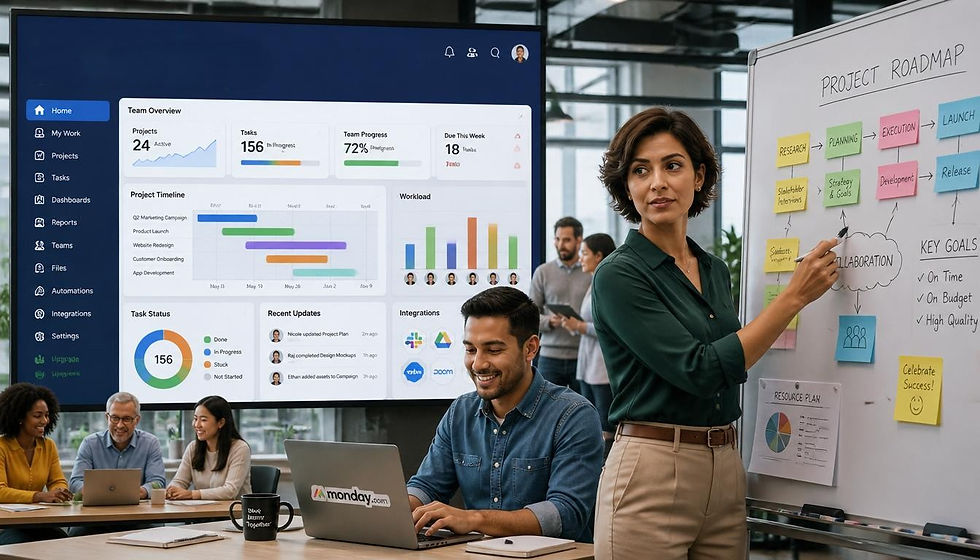
Additionally, innovative platforms often come equipped with customizable dashboards and views, allowing team leaders to tailor the interface to their specific needs. By presenting relevant information at a glance, these dashboards help teams prioritize tasks and manage their time effectively, ultimately leading to increased output and better project performance.
Case Studies: Success Stories of Remote Collaboration
Several organizations have successfully leveraged disruptive project software platforms to enhance their remote collaboration efforts. One notable example is GitLab, a fully remote company that has used its own platform to manage projects across a globally distributed workforce. By utilizing its integrated features, GitLab has maintained high levels of collaboration and transparency, allowing teams to work cohesively despite physical distances.
Their emphasis on asynchronous communication has been pivotal in ensuring that all team members feel included and informed.
Another success story is Zapier, which has effectively implemented project management tools to automate its workflows. By utilizing integrations with various applications, Zapier has streamlined processes that would otherwise require extensive manual input. This has not only reduced errors but also significantly improved response times, allowing teams to focus on strategic initiatives rather than mundane tasks.
Buffer, a social media management platform, has also harnessed the power of project software to foster collaboration among its remote employees. By establishing a culture of openness and using tools that facilitate feedback, Buffer has created an environment where employees can share ideas and insights freely. This has led to innovative solutions and improvements in their services, showcasing the impact that effective collaboration tools can have on overall business performance.
Integrating AI and Automation in Project Management Tools
The integration of AI and automation in project management tools is redefining how organizations approach productivity. These technologies help streamline repetitive tasks, enabling teams to focus on strategic initiatives rather than mundane administrative duties. For instance, automated reporting features can generate insights and analytics with minimal human intervention, saving valuable time and resources.
Furthermore, AI-driven recommendations can enhance decision-making processes by analyzing data patterns and suggesting optimal project paths. Teams can leverage these insights to allocate resources more efficiently, manage timelines better, and anticipate potential roadblocks before they become problematic. This proactive approach to project management fosters a culture of efficiency and agility, essential in today’s fast-paced business environment.
Additionally, the use of AI chatbots has proven beneficial in facilitating communication among remote teams. These bots can answer common queries, provide quick updates, and even assist with onboarding new employees by guiding them through essential processes. By integrating AI into project management tools, organizations can create a more streamlined and user-friendly experience that enhances overall team collaboration.
Overcoming Challenges in Remote Team Collaboration
Despite the numerous advantages of remote collaboration, organizations face unique challenges that can hinder productivity. One of the main obstacles is maintaining effective communication. Remote teams may struggle with miscommunications due to reliance on digital communication, which lacks the nuances of face-to-face interactions. Companies must invest in tools that facilitate clear communication and provide training on best practices to mitigate these challenges.
Another challenge is fostering team cohesion and culture in a virtual environment. Remote work can lead to feelings of isolation among team members, impacting morale and engagement. Organizations can combat this by creating virtual team-building activities, implementing regular check-ins, and encouraging informal interactions among employees. This helps to create a sense of community and belonging, which is crucial for maintaining a motivated workforce.
Lastly, managing performance and accountability can be more complex in remote settings. Without direct supervision, some employees may struggle to stay on track. Organizations need to establish clear expectations and utilize project management tools that enhance visibility into progress and performance. By setting measurable goals and providing regular feedback, companies can ensure that remote teams remain aligned with organizational objectives.
Future Trends in Project Software for Remote Workforces
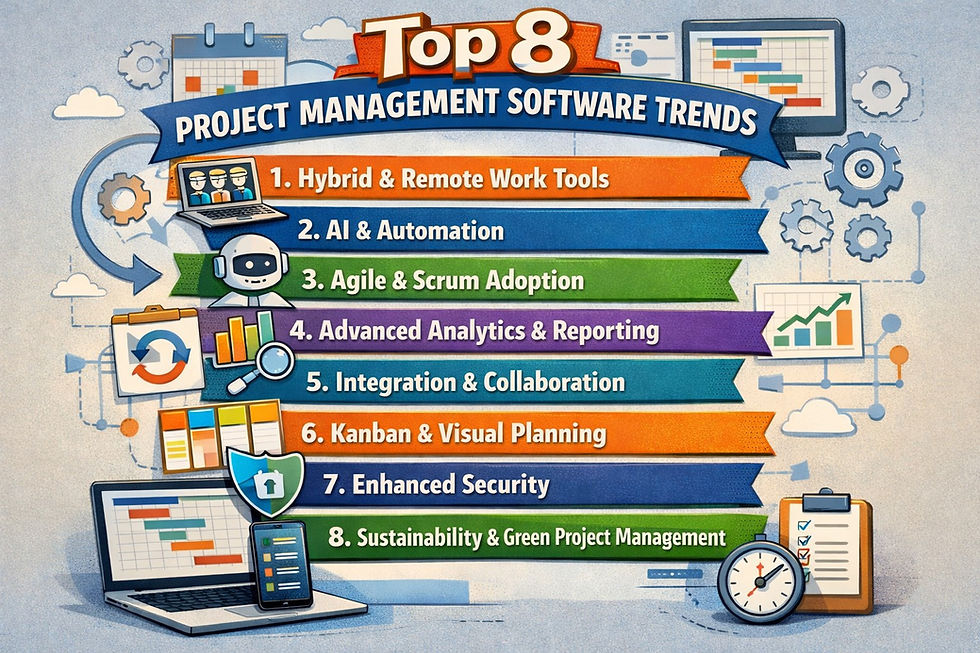
The landscape of project management software is continuously evolving, with several trends set to shape its future. One significant trend is the increased reliance on hybrid work models. As companies embrace flexible work arrangements, project software will need to adapt to accommodate both in-office and remote employees. This means enhancing features that support seamless transitions between different working environments.
Another trend is the growing emphasis on data security and privacy. As remote work involves sharing sensitive information across digital platforms, organizations are prioritizing security measures to protect their data. Project management tools will likely incorporate advanced security features, including encryption, two-factor authentication, and compliance with various regulations, ensuring that sensitive information remains protected.
Lastly, the integration of virtual reality (VR) and augmented reality (AR) into project management software is on the horizon. These technologies can enhance collaboration by creating immersive environments where teams can interact and brainstorm in real-time, regardless of their physical location. As these technologies mature, they may revolutionize how teams collaborate, making remote work even more engaging and productive.
Conclusion - Project Management Software Platforms Transforming Remote Collaboration
Project software platforms are revolutionizing remote collaboration, making it essential for organizations to adapt to this evolving landscape. By understanding the key features and trends in these tools, companies can enhance productivity, foster engagement, and drive success in an increasingly digital world. As remote work continues to define the future of business, embracing these innovative solutions will empower organizations to thrive.