
Top 8 Project Management Software Trends Shaping the Future of Work

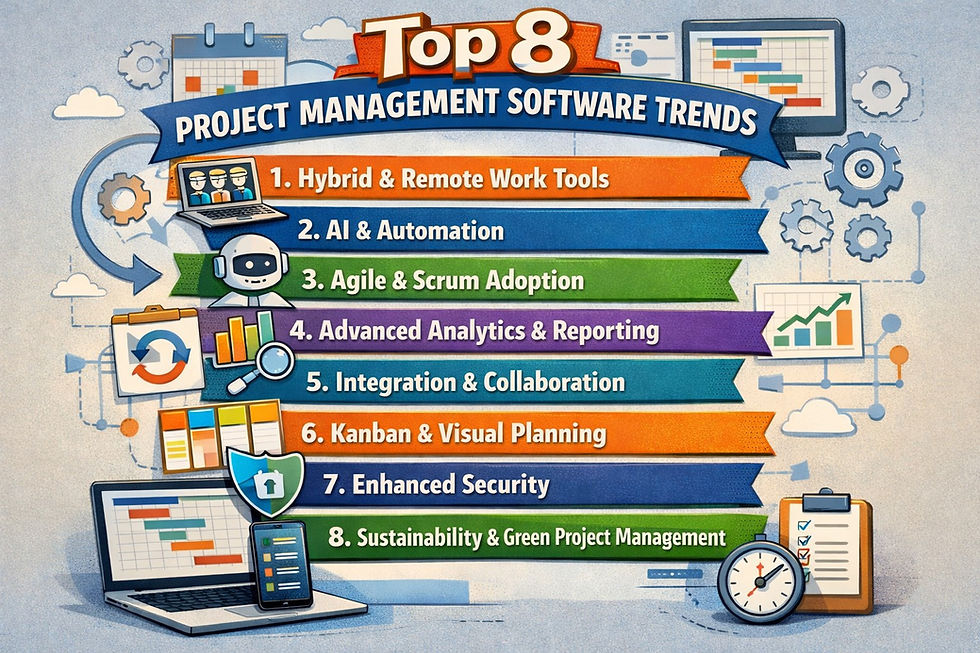
As organizations evolve in the fast-paced digital landscape, project management software continues to play a pivotal role in enhancing efficiency and collaboration. Keeping up with trends is essential for businesses aiming to optimize their operations. This article delves into the top eight project management software trends currently dominating the enterprise space, offering valuable insights for corporate decision-makers looking to leverage technology for improved outcomes.
The Rise of AI in Project Management Software Solutions
Artificial Intelligence (AI) has become a cornerstone of modern project management software, offering capabilities that enhance decision-making and streamline operations. AI-driven features such as predictive analytics empower project managers to anticipate issues before they arise, thus enabling proactive problem-solving.
For instance, algorithms can analyze historical project data to forecast potential roadblocks, ensuring that teams are well-equipped to address challenges efficiently.
Moreover, AI chatbots enhance communication within teams, providing instant responses to frequently asked questions and facilitating seamless collaboration. By automating routine tasks, such as scheduling meetings or sending reminders, project teams can focus more on strategic planning rather than administrative details.
The integration of AI also allows for more personalized user experiences, tailoring functionalities based on individual preferences and past behaviors, thereby increasing user engagement and satisfaction.
Furthermore, AI-powered tools are capable of analyzing vast amounts of data, providing insights that are critical for resource allocation and project prioritization. This not only drives efficiency but also helps organizations make informed decisions that align with their broader business objectives. As AI continues to evolve, it will undoubtedly shape the future of project management software, marking a significant shift in how enterprises manage their projects.
Emphasis on Remote Collaboration Tools for Teams
The shift towards remote work has necessitated a stronger emphasis on collaboration tools within project management software. As teams become increasingly decentralized, the need for seamless communication becomes paramount. Modern project management tools are now equipped with features like video conferencing, instant messaging, and shared digital whiteboards, enabling team members to collaborate effectively, regardless of their geographical locations.
In addition to enhancing communication, these tools provide a centralized platform for file sharing, task assignment, and project tracking. This not only facilitates transparency but also fosters accountability among team members. For example, a project manager can assign tasks, set deadlines, and monitor progress in real-time, ensuring that everyone is aligned with project goals. The ability to integrate with other popular collaboration tools, such as Slack or Microsoft Teams, further enhances the user experience.
Moreover, the rise of remote work has emphasized the importance of maintaining team morale and culture. Many project management software solutions now include features for team recognition and engagement, such as kudos systems or virtual team-building activities. By focusing on collaborative tools, organizations can ensure that their teams remain connected and motivated, ultimately driving productivity and project success.
Enhanced Focus on Data Analytics and Reporting Features
Data analytics is no longer just a luxury; it's a necessity for enterprises aiming to make data-driven decisions. Modern project management software has shifted its focus toward robust analytics and reporting features that assist teams in deciphering complex data sets. By leveraging these capabilities, organizations can gain insights into project performance, resource utilization, and budget adherence, allowing for timely adjustments and strategic planning.
One significant trend is the shift towards real-time reporting. Stakeholders can now access dashboards that provide live updates on project metrics, enabling immediate responses to any deviations from the plan. For instance, if a project is falling behind schedule, managers can quickly analyze the underlying causes and take corrective action, such as reallocating resources or adjusting timelines. This agility is critical in today’s fast-paced business environment.
Additionally, advanced analytics capabilities enable predictive modeling, helping organizations foresee potential challenges and opportunities. By analyzing historical data and trends, project teams can identify patterns and make proactive decisions that align with their objectives. This level of insight not only enhances project outcomes but also aligns with the overall strategic goals of the organization, ensuring that every project contributes to long-term success.
Integration of Agile Methodologies in Project Management
Agile methodologies have revolutionized project management by promoting flexibility, collaboration, and customer-centric approaches. As organizations strive to adapt quickly to market changes, integrating Agile principles into project management software has become essential. Tools that support Agile practices, such as Scrum and Kanban boards, allow teams to manage workflows effectively, enabling iterative progress and continuous improvement.
One of the key benefits of Agile integration is enhanced visibility into project progress. Teams can visualize their tasks and workflows, making it easier to identify bottlenecks and optimize resource allocation. This transparency fosters accountability, as team members can track their contributions and understand how their work impacts overall project success. Moreover, Agile methodologies encourage regular feedback loops, allowing teams to adapt their strategies based on stakeholder input.
Furthermore, the adoption of Agile practices has led to a cultural shift within organizations, fostering a more collaborative and responsive work environment. Project management software that facilitates Agile principles empowers teams to take ownership of their projects, encouraging creativity and innovation. As businesses continue to navigate an ever-changing landscape, the integration of Agile methodologies will remain a significant trend in project management software.
Growing Importance of User Experience and Interface Design
In the competitive realm of project management software, user experience (UX) and interface design have emerged as crucial factors. A well-designed interface enhances user satisfaction, reduces the learning curve, and ultimately drives adoption rates within organizations. As enterprises seek to maximize ROI from their software investments, providing an intuitive and visually appealing experience becomes a top priority.
Modern project management tools focus on simplifying navigation and minimizing complexity. Clear, concise layouts and user-centered design ensure that team members can easily access essential functionalities without feeling overwhelmed. This is particularly important for larger organizations where multiple stakeholders may have varying levels of technical expertise. User-friendly features, such as drag-and-drop task management and customizable dashboards, empower users to personalize their experience based on their unique needs.
Moreover, incorporating feedback from users during the design process leads to continuous improvement. Organizations that prioritize UX not only enhance productivity but also create a more positive work environment. As teams find satisfaction in using their project management tools, they are more likely to engage with the software effectively, leading to improved project outcomes and overall success for the organization.
Cloud-Based Solutions Transforming Project Management Practices
Cloud-based project management software has transformed how organizations approach project planning and execution. By leveraging the cloud, teams can access their tools and information from anywhere, facilitating a level of flexibility that was previously unattainable. This has become particularly pivotal for remote teams, ensuring that everyone has access to the same resources and information regardless of their location.
Additionally, cloud solutions offer scalability, making them ideal for growing enterprises. Organizations can easily adjust their plans, adding or removing features based on project demands and team sizes. This adaptability not only improves efficiency but also allows businesses to align their software usage with their current needs, avoiding the pitfalls of over-investment or underutilization.
Moreover, cloud-based solutions promote collaboration by enabling real-time updates and seamless sharing of documents. Team members can work on tasks simultaneously, offering feedback and making adjustments in real-time. This level of collaboration fosters innovation and ensures that projects remain aligned with strategic objectives, ultimately contributing to better overall results for the organization.
Increased Adoption of Mobile Project Management Apps
As mobile technology continues to advance, the adoption of mobile project management apps has surged among enterprises. These apps empower team members to manage tasks, collaborate with colleagues, and track project progress from their smartphones or tablets. This flexibility allows professionals to remain productive even while on the go, ensuring that projects continue to move forward regardless of location.
Mobile apps also promote real-time communication, enabling teams to share updates and feedback instantly. For instance, a project manager can quickly assign tasks or communicate changes without needing to be at their desk. This responsiveness enhances agility, allowing organizations to adapt to shifting priorities and unexpected challenges more effectively.
Furthermore, mobile project management apps often include features tailored for mobile users, such as push notifications, voice commands, and offline access. By prioritizing mobile functionality, organizations can ensure that their teams remain connected and engaged, ultimately driving project success. As mobile technology continues to evolve, the importance of mobile project management apps will only grow, shaping how enterprises manage their projects.
Security and Compliance as Top Priorities for Enterprises
In an era where data breaches and compliance violations are increasingly common, security and compliance have become top priorities for enterprises utilizing project management software. Organizations must ensure that their sensitive data is protected while adhering to industry regulations and standards. As a result, project management tools are now incorporating advanced security measures, including encryption, two-factor authentication, and access controls to safeguard information.
Moreover, compliance features are becoming essential in project management software to assist organizations in navigating complex regulatory landscapes. Tools that facilitate documentation, audit trails, and compliance reporting enable enterprises to demonstrate adherence to regulations, reducing the risk of fines and legal repercussions. This focus on compliance not only protects the organization’s reputation but also fosters trust among clients and stakeholders.
As cybersecurity threats continue to evolve, organizations must remain vigilant in choosing project management software that prioritizes security and compliance. By regularly assessing and updating their tools, enterprises can mitigate risks and ensure that their projects remain secure, ultimately contributing to long-term success and sustainability.
Frequently Asked Questions: Project Management Software Trends
Why is it important to stay updated on project management software trends?
In a rapidly evolving digital environment, project management software trends directly influence how organizations plan, execute, and deliver projects. For enterprise organizations, staying current is not simply about adopting new tools it is about maintaining competitive advantage, improving operational efficiency, and enabling scalable delivery models.
Emerging trends often reflect broader shifts in technology, such as automation, cloud computing, and data analytics. By aligning with these trends, organizations can modernize their project delivery capabilities, reduce inefficiencies, and improve collaboration across distributed teams. Failure to keep pace can result in outdated processes, reduced productivity, and an inability to meet evolving stakeholder expectations.
How is AI transforming project management software?
Artificial Intelligence is fundamentally reshaping project management software by introducing predictive, automated, and data-driven capabilities. AI enables systems to analyze historical data, identify patterns, and forecast potential risks, allowing project managers to take proactive action rather than reacting to issues after they occur.
In enterprise environments, AI-driven automation reduces administrative overhead by handling repetitive tasks such as scheduling, reporting, and status tracking. Additionally, intelligent assistants and chatbots improve communication efficiency by providing real-time support to team members.
AI also enhances decision-making by delivering actionable insights on resource allocation, project prioritization, and performance optimization. As these capabilities mature, AI is becoming a strategic enabler rather than just a supporting feature within project management ecosystems.
What role do remote collaboration tools play in modern project management?
Remote collaboration tools have become essential as organizations adopt hybrid and distributed workforce models. These tools enable seamless communication, document sharing, and real-time collaboration regardless of geographic location.
For large enterprises, remote collaboration platforms help break down silos between departments and ensure that teams remain aligned on objectives and deliverables. Features such as shared workspaces, integrated messaging, and video conferencing support continuous engagement and faster decision-making.
The shift toward remote collaboration also drives the need for centralized platforms that integrate multiple functions, reducing the complexity of managing disparate tools and ensuring consistent workflows across the organization.
What are the key benefits of cloud-based project management software?
Cloud-based solutions offer scalability, flexibility, and accessibility, making them a preferred choice for modern enterprises. Unlike on-premise systems, cloud platforms allow teams to access project data from anywhere, enabling real-time updates and collaboration.
These solutions also support rapid deployment and integration with other enterprise systems, reducing implementation time and costs. Additionally, cloud platforms provide enhanced data security, automatic updates, and disaster recovery capabilities.
From a strategic perspective, cloud adoption allows organizations to scale their project management capabilities in line with business growth, ensuring that systems remain adaptable and future-ready.
How does data analytics improve project outcomes?
Data analytics plays a critical role in enhancing project performance by providing visibility into key metrics and trends. Advanced analytics tools enable project managers to track progress, identify bottlenecks, and measure performance against predefined objectives.
In enterprise settings, analytics supports evidence-based decision-making by transforming raw data into actionable insights. This includes optimizing resource utilization, improving forecasting accuracy, and identifying areas for process improvement.
By leveraging analytics, organizations can move from reactive to proactive project management, ensuring that issues are addressed early and outcomes are consistently aligned with strategic goals.
What challenges do organizations face when adopting new project management software trends?
Adopting new trends often presents challenges such as resistance to change, integration complexities, and skill gaps within teams. Employees may be hesitant to adopt new tools, particularly if they are accustomed to existing systems and processes.
Integration with legacy systems can also be a significant hurdle, requiring careful planning and technical expertise. Additionally, organizations may need to invest in training and upskilling to ensure that teams can effectively utilize new technologies.
To overcome these challenges, enterprises should implement structured change management strategies, provide ongoing support, and ensure that technology adoption aligns with business objectives.
How can organizations ensure successful implementation of new software trends?
Successful implementation requires a strategic and structured approach. Organizations should begin by clearly defining their objectives and identifying how specific trends align with their business goals.
Stakeholder engagement is critical project managers must involve key users early in the process to ensure buy-in and address concerns. Pilot programs can be used to test new tools and identify potential issues before full-scale deployment.
Additionally, continuous monitoring and feedback loops are essential to refine processes and ensure that the technology delivers the intended value. Governance frameworks should also be established to maintain consistency and accountability throughout the implementation process.
What is the future of project management software in enterprise environments?
The future of project management software is increasingly centered on intelligent, integrated, and user-centric platforms. AI and automation will continue to expand, enabling more autonomous project management capabilities.
Integration across enterprise systems will become more seamless, creating unified ecosystems that connect project management with finance, HR, and operations. User experience will also be a key focus, with software becoming more intuitive and tailored to individual roles.
Furthermore, there will be a growing emphasis on real-time data, predictive insights, and adaptive workflows, allowing organizations to respond quickly to changing business conditions. These advancements will position project management software as a strategic driver of organizational success rather than just an operational tool.
How do these trends impact enterprise-level decision-making?
Project management software trends directly influence how decisions are made at the enterprise level. With enhanced data visibility, predictive analytics, and integrated systems, leaders can make more informed and timely decisions.
These tools provide a comprehensive view of project portfolios, enabling executives to prioritize initiatives, allocate resources effectively, and manage risks proactively.
As a result, decision-making becomes more strategic, data-driven, and aligned with organizational objectives, ultimately improving overall business performance and competitiveness.
The landscape of project management software is rapidly evolving, driven by technological advancements and shifting workplace dynamics. By understanding these eight key trends, enterprises can strategically position themselves for success in this increasingly competitive environment.
Conclusion
Embracing AI, enhancing collaboration, optimizing data analytics, and prioritizing security will enable organizations to maximize their project outcomes and align with their overarching business objectives. Staying ahead of these trends is essential for any organization looking to thrive in today’s fast-paced enterprise landscape.
Discover More great insights at
External Source: For more information on project management software trends, visit Zoho


