Project Management Habits That Employers Look for in Young Professionals


Young professionals often think project management starts only after a promotion. That is not true. Employers notice these habits much earlier, sometimes during internships, entry-level roles, or even trial tasks.
A young specialist who plans well, communicates clearly, and respects deadlines becomes easier to trust. These habits show more than organization. They reveal maturity, discipline, and care for the final result.
In many workplaces, projects move fast. Teams rely on people who can handle tasks without creating confusion. That is why project management skills matter, even for those who are just starting their career.
Why Project Management Habits Matter Early
Every role includes some form of project work. A student assistant may help prepare a report. A junior marketer may support a campaign. A new analyst may collect data for a client presentation.
None of these tasks happen in isolation. Someone needs to follow instructions, manage time, update others, and notice possible problems. Employers pay attention to how young professionals handle that process.
Good project habits also reduce stress. When work is planned, the day feels less chaotic. Clear priorities make it easier to focus, ask for help, and finish tasks without last-minute panic.
Young professionals often combine work with studies, which makes project management habits essential for handling everyday workload. During periods of high pressure, they may think, "If I could pay somebody to do my economics homework I would spend more time on understanding concepts and developing practical skills". It usually happens when work is not yet properly structured into clear stages or priorities. Developing planning routines and using appropriate support help transform overload into a more controlled and predictable process.
Planning Before Jumping Into Work
Many beginners want to prove themselves quickly. They start working right away, hoping speed will impress the team. Sometimes it does. Often, it leads to missed details.
Strong young professionals pause first. They check the goal, deadline, audience, and expected format. That small pause can prevent hours of rework later.
Understanding the Real Goal
A task is not always about the task itself. A report may help a manager make a decision. A spreadsheet may support a budget discussion. A presentation may shape a client’s opinion.
When young professionals understand the purpose, their work becomes sharper. They stop treating assignments like boxes to tick. Instead, they think about value, clarity, and usefulness.
Helpful planning habits include:
asking what the final result should achieve;
checking who will review or use the work;
breaking large tasks into smaller steps;
setting a realistic order of priorities;
confirming unclear details before starting.
These habits sound simple, but they show professional awareness. Employers like people who think before they act.
Managing Time Without Constant Supervision
Time management is one of the clearest signs of workplace readiness. A person who manages time well does not need daily reminders. They understand that deadlines affect other people too.
Young professionals often struggle because they underestimate how long work takes. A task that looks quick may require research, edits, approvals, or feedback. Smart planning leaves room for those steps.
Protecting Deadlines With Better Judgment
A deadline should not be treated as a surprise. Reliable employees look at the due date early and plan backward. They also leave space for review, because first drafts are rarely perfect.
Employers do not expect young professionals to control everything. They do expect them to speak up when something may be delayed. Silence creates bigger problems than honest updates.
A useful deadline routine may look like this:
Review the task and deadline carefully.
Divide the work into clear stages.
Estimate how long each stage may take.
Add extra time for edits or feedback.
Send updates before someone has to ask.
This routine builds trust. It also helps young employees feel more in control of their workload.
Communicating Clearly With the Team
Good project management depends on communication. A person may work hard, but poor communication can still slow the whole team. Employers notice who explains things clearly and who leaves others guessing.
Young professionals should not wait until everything is finished to speak. Short progress updates are often enough. A manager usually wants to know what is done, what comes next, and whether anything is blocked.
Knowing When to Ask Questions
Some people avoid questions because they fear looking inexperienced. In reality, thoughtful questions often show responsibility. They prove that a person wants to do the work correctly.
The key is to ask with context. Instead of saying, “I don’t understand,” a stronger message explains what has been checked already. Then it asks for the missing detail.
For example, a young employee might say, “I reviewed the brief and understand the audience. Could you confirm whether the report should focus more on cost or timeline?” That kind of question saves time.
Taking Ownership of the Result
Ownership is one of the habits employers value most. It means caring about the outcome, not just finishing the assigned part. A person with ownership checks whether the work is accurate, useful, and ready.
This does not mean taking blame for everything. It means being honest, responsible, and solution-focused. When something goes wrong, mature professionals do not hide or make excuses.
Responding Well to Feedback
Feedback can feel uncomfortable, especially early in a career. Still, it is one of the fastest ways to grow. Employers look for people who can hear feedback without becoming defensive.
A strong response is calm and practical. The person listens, asks clarifying questions, and applies the advice. Over time, this habit turns mistakes into better judgment.
Ownership also appears in small actions. Checking spelling before sending a document matters. Reviewing numbers before sharing a report matters. Following up after a meeting matters too.
Noticing Risks Before They Become Problems
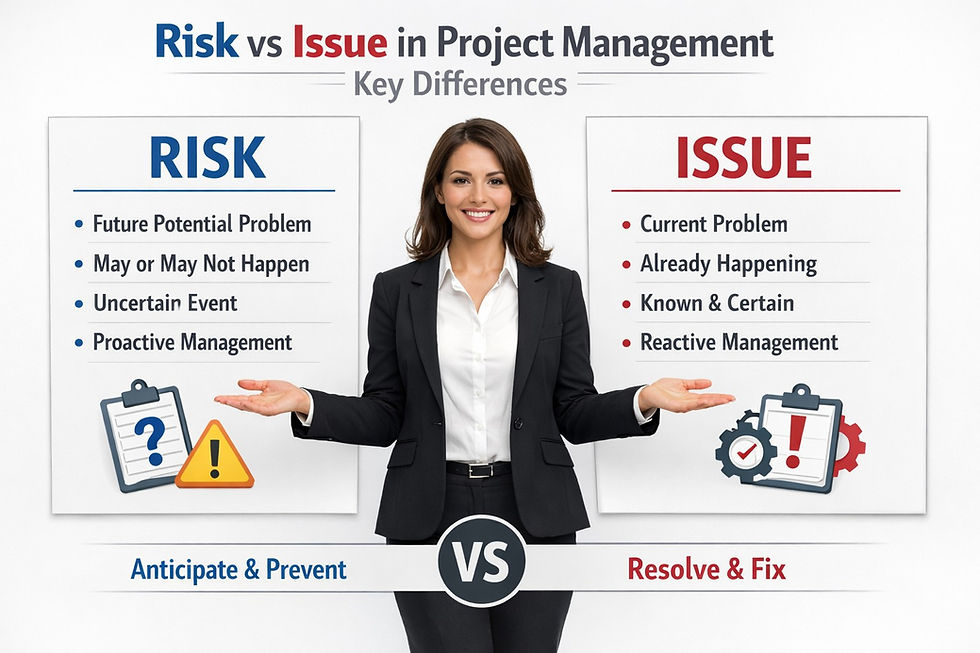
Project management is not only about making schedules. It also involves spotting risks. A risk can be a missing file, unclear instruction, delayed approval, or overloaded teammate.
Young professionals who notice these issues early become valuable. They help the team avoid stress instead of only reacting when something breaks.
Bringing Solutions, Not Just Problems
Employers appreciate honesty, but they also value initiative. When raising a concern, it helps to suggest a possible next step. The solution does not need to be perfect.
A message such as, “The data is still missing, so the draft may be delayed. I can prepare the structure today and add the numbers once they arrive,” sounds professional. It shows calm thinking.
Good risk habits include:
checking unclear requirements early;
tracking blockers in one visible place;
telling the team when a deadline may be affected;
keeping meeting notes for important decisions;
preparing another option when plans change.
These actions make project work smoother. They also show that a young professional can stay steady under pressure.
Working Well With Different People
Most projects involve more than one personality. Some people respond quickly. Others need reminders. Some prefer detailed notes. Others like short calls. A strong professional learns to work with these differences.
Collaboration does not mean agreeing with everyone all the time. It means staying respectful, clear, and focused on the shared goal.
Respecting Roles and Responsibilities
Confusion often starts when nobody knows who owns what. Young professionals can help by confirming responsibilities early. Even a simple task list can prevent duplicated work.
Respect also means understanding that other people have deadlines too. A late file, missing update, or unclear comment may slow someone else’s progress.
Reliable teammates build trust through small patterns. They reply on time. They prepare for meetings. They do what they said they would do. Over time, those habits become a personal reputation.
Staying Organized With Digital Tools
Modern workplaces use many tools. Calendars, task boards, shared folders, spreadsheets, project dashboards, and communication apps all shape daily work. Employers do not expect beginners to know everything.
They do expect basic digital organization. A young professional should be able to track tasks, name files clearly, and keep information easy to find.
Using Tools Without Overcomplicating Work
A tool should support the project, not make it heavier. A simple checklist can be better than a complex system nobody updates. The best method is the one the team can actually use.
Good digital habits include clear file names, updated task statuses, organized folders, and short written summaries after meetings. These details may seem small, but they save time later.
When information is easy to find, the whole team works faster. Managers also feel more confident assigning future responsibilities.
Adapting When Plans Change
Projects rarely follow the original plan perfectly. A client may change direction. A manager may adjust priorities. A teammate may become unavailable. Young professionals need flexibility.
Adaptability does not mean accepting disorder. It means staying calm, reviewing the new situation, and adjusting the plan with care.
Employers value people who can change direction without losing focus. This is especially important in fast-moving fields such as marketing, technology, consulting, design, and operations.
A flexible professional asks, “What matters most now?” That question helps separate old assumptions from current priorities.
Building These Habits Step by Step
Project management habits do not appear overnight. They grow through repeated practice. Even small college projects, internships, freelance tasks, or volunteer roles can teach useful lessons.
Young professionals can start by treating each assignment like a small project. Define the goal. Create steps. Track progress. Ask for feedback. Review what could be better next time.
Practical ways to improve include:
using a weekly planner for main tasks;
creating checklists before submitting work;
asking what success should look like;
writing down lessons after difficult tasks;
learning basic terms like scope, milestone, stakeholder, and deadline.
These steps build confidence slowly. They also prepare young professionals for larger duties in the future.
Conclusion
Employers look for project management habits because they reveal how a young professional thinks and works. Clear planning, steady communication, time discipline, ownership, and adaptability all matter.
A person does not need a manager title to show these qualities. They appear in daily tasks, emails, meetings, deadlines, and follow-ups.
Technical skills may help someone get hired. Strong work habits help them become trusted. When young professionals manage their work with care, they become the kind of teammates employers want to keep.