Portfolio Risk Management for Executives

Portfolio risk management is a critical aspect for executives navigating the complex landscape of corporate finance. With an ever-evolving economic backdrop, understanding how to assess, manage, and mitigate risk can lead to better investment decisions and overall organizational success.
In this article, we'll explore various dimensions of portfolio risk management tailored for executives, ensuring that leaders can make informed choices with confidence.

Understanding Portfolio Risk Management for Executives
Portfolio risk management encompasses the strategies and practices that executives employ to understand and mitigate the potential risks associated with their investment portfolios. For executives, the stakes are often higher than for individual investors; their decisions can impact the company’s financial stability, reputation, and long-term growth. A clear comprehension of the portfolio's risk profile is essential for effective decision-making and strategic planning.
One of the primary goals of portfolio risk management is to balance potential risks with expected returns. Executives must evaluate the types of risks their portfolios are exposed to such as market risk, credit risk, liquidity risk, and operational risk and understand how these can affect overall performance. By taking a holistic approach to risk management, executives can align their investment strategies with organizational objectives, thereby fostering a culture of informed decision-making and accountability.
Moreover, executives should regularly review their risk management frameworks to ensure they are adapted to the current market environment and corporate strategy. This involves not just reactive measures but also proactive planning to foresee potential challenges and opportunities. By fostering a risk-aware culture, leaders can empower their teams to make more informed choices, ultimately leading to enhanced organizational resilience and agility.
Key Principles of Effective Risk Assessment Strategies
The foundation of effective risk management lies in understanding key principles that govern risk assessment. First and foremost, a robust risk assessment strategy begins with comprehensive data collection. Executives need to gather relevant information about market trends, economic indicators, and internal company metrics to build a well-rounded understanding of potential risks. This data-driven approach allows leaders to identify and prioritize risks that could have the most significant impact on their portfolios.
Another essential principle is the concept of scenario analysis. By simulating a variety of potential market scenarios, executives can gain insights into how external factors may influence their investment strategies. This method not only highlights vulnerabilities in the current portfolio but also allows leaders to develop contingency plans for adverse situations. The ability to visualize different outcomes enables executives to better prepare for uncertainties and make informed decisions accordingly.
Furthermore, effective communication among stakeholders is paramount. Executives should foster an environment where risk discussions are open and transparent. This includes engaging with finance teams, investment advisors, and other strategic partners to gain diverse perspectives on risk. By promoting a collaborative approach to risk assessment, executives can ensure that all voices are heard, leading to more comprehensive and effective risk management strategies.
Identifying and Analyzing Key Risk Factors
To manage risk effectively, executives must first identify the various risk factors that could affect their portfolio. This process begins with a thorough analysis of both internal and external environments. Internally, factors such as company performance metrics and operational efficiencies can reveal vulnerabilities. Externally, macroeconomic trends, regulatory changes, and geopolitical events can also pose significant risks. By employing a multi-dimensional approach to risk identification, executives can develop a clearer picture of the potential threats facing their portfolios.
Once risks are identified, the next step is to analyze their potential impact. This involves quantifying the risks to understand their likelihood and possible consequences. Executives should utilize analytical tools such as risk matrices or heat maps to visualize risk levels and prioritize them accordingly. Understanding which risks pose the greatest threat helps in allocating resources more effectively and making informed decisions about risk mitigation strategies.
Additionally, benchmarking against industry peers can provide valuable insights into emerging risks and best practices. Executives should actively engage with industry associations and networks to stay updated on prevalent risks within their sector. This not only helps in identifying common challenges but also fosters collaborative initiatives that can lead to shared solutions and enhanced risk management across the industry.
Tools and Techniques for Portfolio Risk Evaluation
In today's digital landscape, a variety of tools and techniques are available to assist executives in evaluating portfolio risk. Advanced analytics and risk management software can provide real-time insights into portfolio performance, allowing leaders to monitor risk exposure continuously. These tools often come equipped with features like predictive modeling and scenario analysis, enabling executives to simulate different market conditions and their potential impacts on their investments.
Additionally, the use of financial derivatives, such as options and futures, can be an effective strategy for managing risk. Executives can leverage these instruments to hedge against adverse movements in the market, allowing for greater flexibility and protection against volatility. Incorporating derivatives into an overall risk management strategy can help ensure that the portfolio remains aligned with the organization's risk tolerance and investment goals.
Moreover, employing a diversified investment strategy is another fundamental technique for risk evaluation. By spreading investments across a variety of asset classes, sectors, and geographical regions, executives can mitigate risks associated with any single investment underperforming. Diversification not only reduces the overall volatility of the portfolio but also opens up opportunities for enhanced returns from various sources.
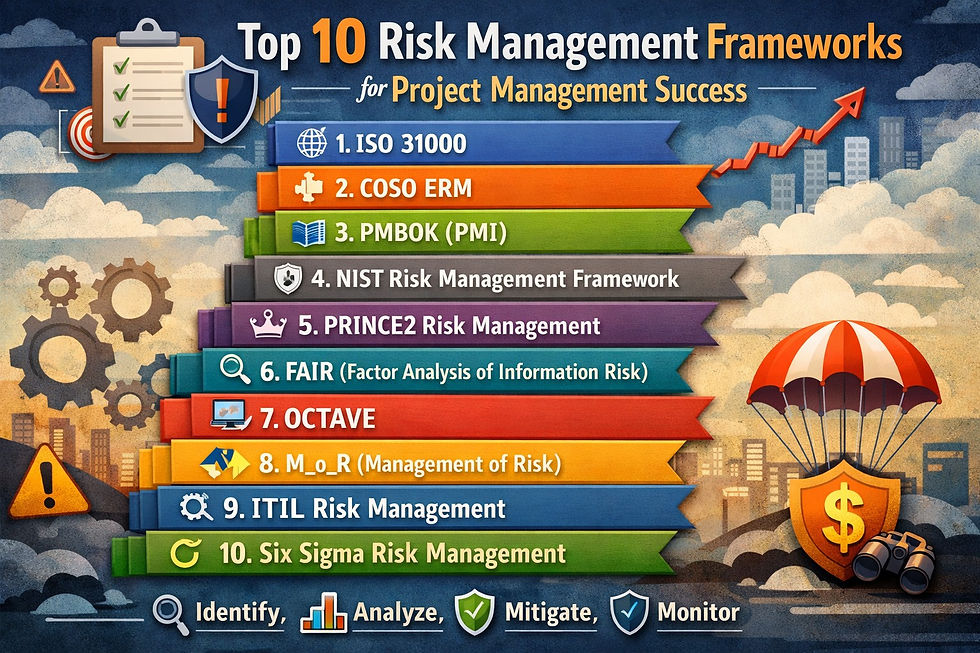
Developing a Risk Management Framework for Leaders
Creating a comprehensive risk management framework is essential for executives looking to navigate the complexities of portfolio management. A well-structured framework should begin with clearly defined risk management objectives aligned with the organization's strategic goals. Executives must articulate what success looks like in terms of risk management and ensure that these objectives are communicated across all levels of the organization.
Next, the framework should include a systematic process for identifying, assessing, and mitigating risks. This involves establishing roles and responsibilities for risk management within the organization, ensuring that designated teams are empowered to monitor, report, and address risks as they arise. A centralized risk management committee or task force can serve as a valuable resource for executives, providing oversight and recommendations based on emerging risks and market conditions.
Finally, a risk management framework should incorporate robust reporting mechanisms. Executives should establish key performance indicators (KPIs) that allow for the ongoing assessment of risk management effectiveness. Regular reporting not only keeps stakeholders informed but also fosters a culture of accountability and continuous improvement. By regularly revisiting and refining their risk management framework, executives can enhance their organization's resilience in an ever-changing economic landscape.
Best Practices for Monitoring Portfolio Performance
Monitoring portfolio performance is an integral aspect of effective risk management. Executives should establish a routine review process that includes regular performance assessments against predefined benchmarks. By comparing actual performance to expected outcomes, executives can gain insights into areas that may require immediate attention or adjustment. This helps in identifying underperforming assets and reallocating resources to optimize overall portfolio performance.
Another best practice is to leverage technology for real-time monitoring and analysis. Advanced analytics tools can provide executives with dashboards that visually represent portfolio performance, making it easier to spot trends and anomalies. These tools often incorporate machine learning algorithms that can predict future performance based on historical data, enabling proactive decision-making and timely interventions.
Additionally, engaging financial advisors and analysts can provide an external perspective on portfolio performance. Regular consultations with industry experts can help executives stay abreast of market developments and emerging trends. By integrating external insights with internal analysis, executives can develop a more comprehensive understanding of portfolio dynamics, thus improving their overall risk management strategies.
Strategies for Mitigating Investment Risks Effectively
Mitigating investment risks requires a strategic approach that encompasses a range of tactics tailored to the unique challenges faced by each organization. One fundamental strategy is to ensure diversification within the portfolio. By allocating investments across various asset classes, industries, and geographic locations, executives can reduce the impact of any single underperforming investment.
This not only minimizes risk but also enhances the opportunity for more stable returns over time.
Another effective strategy is implementing stop-loss orders and other protective measures within the investment strategy. Stop-loss orders automatically trigger a sale when an asset falls below a certain price, helping to limit potential losses. Executives can also explore insurance products, such as portfolio insurance, which provide an additional layer of protection against market downturns.
Moreover, executives should cultivate a proactive approach to risk management by regularly reassessing their investment strategies in light of changing market conditions. This includes maintaining flexibility to shift investments or adopt new strategies in response to evolving economic indicators. By remaining agile and adaptable, executives can better navigate uncertainties and capitalize on opportunities that arise in the market.
Enhancing Decision-Making Through Risk Insights
Incorporating risk insights into decision-making processes can significantly enhance an executive's ability to make informed choices. By fostering a culture of risk awareness within the organization, executives can ensure that all stakeholders understand the importance of risk considerations in strategic planning. This does not merely involve data analysis but also engaging employees at all levels to contribute their insights and perspectives on potential risks.
Executives can leverage key performance indicators and risk metrics to inform decision-making. By integrating these insights into regular strategy meetings and discussions, leaders can ensure that risk considerations are front and center. This approach not only enhances accountability but also fosters a collaborative environment where employees feel empowered to contribute to risk management efforts.
Furthermore, effective communication of risk insights is crucial. Executives should utilize clear and concise reporting formats that highlight key risks, potential impacts, and suggested mitigations. This makes it easier for stakeholders to understand complex issues and fosters informed discussions around strategic decisions.
By championing the integration of risk insights into the decision-making process, executives can lead their organizations toward more resilient and sustainable growth.
Conclusion - Portfolio Risk Management for Executives
Understanding Portfolio Risk Management By understanding the key principles of risk assessment, identifying critical risk factors, and effectively utilizing available tools and techniques, leaders can enhance their organization's resilience and adaptability. Embracing best practices for monitoring performance and integrating risk insights into decision-making processes ultimately leads to more informed choices that align with broader organizational goals.
Hashtags: #RiskManagement #PortfolioStrategy #ExecutiveLeadership #InvestmentInsights #CorporateFinance