How Agentic AI Is Redefining Project Execution in 2026

In 2026, the landscape of project execution is undergoing a radical transformation thanks to agentic AI. This technology not only streamlines processes but also redefines how teams collaborate and make decisions.
By leveraging intelligent algorithms and machine learning, organizations can navigate the complexities of project management with unprecedented efficiency. In this article, we will explore ten game-changing ways in which autonomous agentic AI is reshaping project execution to help businesses thrive in an increasingly competitive environment.

How Agentic AI Transforms Project Management
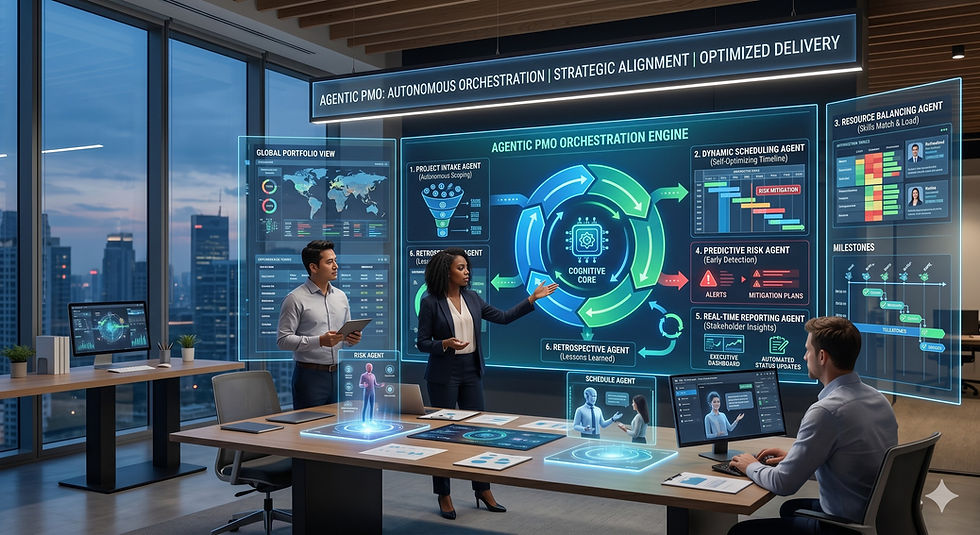
Project management is no longer just about assigning tasks and monitoring progress. With the advent of autonomous agentic AI, project execution has evolved into a more dynamic, adaptable process. These AI systems can autonomously assess project requirements, allocate resources, and identify potential bottlenecks, allowing project managers to focus on strategic decisions rather than mundane tasks. For instance, AI can analyze historical data to predict project timelines and resource needs, making project planning more accurate and less stressful.
Moreover, autonomous agentic AI has the capability to adapt to real-time changes in project conditions. If a team member is suddenly unavailable or if project requirements shift, the AI can quickly reassign tasks and adjust timelines accordingly. This flexibility not only minimizes disruptions but also enhances the team's ability to respond to unforeseen challenges. In an era where agility is key, such capabilities are invaluable for maintaining momentum and ensuring project success.
Finally, integrating autonomous agentic AI into project management fosters a culture of continuous improvement. By capturing and analyzing performance data across multiple projects, organizations can identify patterns and areas for enhancement. This data-driven approach not only boosts efficiency but also empowers teams to make informed decisions that drive innovation and growth. As we move further into 2026, organizations that embrace this technology will find themselves at a distinct advantage.
Enhancing Decision-Making with Smart AI Assistants
One of the most significant contributions of autonomous agentic AI to project execution is its ability to enhance decision-making. Smart AI assistants can provide project managers with real-time insights and recommendations based on data analysis. These insights help teams make informed choices, whether it's deciding on resource allocation or selecting the best approach to tackle a complex problem. The AI's ability to analyze vast amounts of data in seconds empowers managers to make choices that are not only timely but also backed by substantial evidence.
Moreover, autonomous agents can simulate various project scenarios, allowing teams to evaluate potential outcomes before making critical decisions. This predictive capability is particularly beneficial in risk management, where understanding the implications of a decision can save organizations from costly mistakes. By providing a clearer picture of potential risks and rewards, these AI assistants enable project leaders to navigate uncertainties with confidence.
Additionally, enhanced decision-making leads to increased accountability within project teams. When decisions are backed by data and AI recommendations, team members are more likely to align with the project's objectives. This alignment fosters a sense of ownership and responsibility, ultimately enhancing team performance. In 2026, organizations that leverage smart AI assistants will see not just improved decision-making but also a more engaged and empowered workforce.
Streamlining Communication Through Automated Insights
Effective communication is the backbone of successful project execution, and autonomous agentic AI is revolutionizing how teams communicate. By providing automated insights, AI systems can keep team members informed about project developments and changes in real-time. This continuous flow of information reduces the likelihood of miscommunication and ensures that everyone is on the same page, thereby enhancing collaboration.
AI-driven platforms can also analyze team interactions to identify communication gaps or areas for improvement. By understanding how information flows within a team, organizations can implement strategies to streamline communication processes. For instance, if an AI tool identifies that certain team members are frequently left out of critical updates, managers can adjust their communication strategies to foster inclusivity and transparency.
Furthermore, the automation of routine communication tasks like status updates and meeting reminders frees up valuable time for team members. Instead of spending hours drafting emails or preparing reports, teams can focus on more strategic activities that drive project success. In 2026, the integration of autonomous agentic AI in communication processes will lead to more coherent and effective collaboration among project teams.
Reducing Project Delays with Predictive Analytics
Project delays can be a significant drain on resources and morale, but autonomous agentic AI is changing that narrative. With advanced predictive analytics, AI systems can forecast potential delays well before they occur. By analyzing historical data and current project metrics, these systems identify patterns and trends that may indicate a looming setback. As a result, project leaders can take proactive measures to mitigate risks and keep projects on track.
For example, if predictive analytics reveal that a specific phase of a project typically encounters delays due to resource shortages, managers can allocate additional resources preemptively. This foresight not only helps in maintaining timelines but also enhances overall project efficiency. By addressing potential issues before they escalate, organizations can avoid the costly consequences of project overruns.
Moreover, the ability to predict delays extends to external factors as well.
Autonomous agentic AI can analyze market trends, regulatory changes, and other external influences that may impact project timelines. By equipping project managers with this information, organizations can adapt their strategies accordingly, ensuring that they remain agile in a rapidly changing landscape. In 2026, the role of predictive analytics in project execution will be indispensable for organizations striving to deliver on-time results.
Customizing Workflows for Enhanced Team Collaboration
Every project team is unique, and one-size-fits-all workflows often fail to meet the specific needs of diverse teams. Autonomous agentic AI offers the capability to customize workflows tailored to the strengths, preferences, and working styles of team members. By analyzing individual performance data and collaboration patterns, AI systems can suggest optimal workflows that enhance productivity and satisfaction within the team.
For instance, an AI could identify that certain team members perform better with flexible deadlines while others thrive under strict timelines. By customizing project workflows based on these insights, organizations can create environments that capitalize on individual strengths. This level of personalization not only boosts morale but also enhances overall team performance.
Additionally, customized workflows can be continuously refined based on ongoing feedback and performance metrics. As AI systems learn from the team’s interactions, they can suggest adjustments that further improve collaboration. This iterative approach to workflow design fosters a culture of continuous improvement, ensuring that teams remain agile and responsive to evolving project needs. In 2026, organizations that embrace customized workflows will find themselves better equipped to tackle complex projects and achieve their goals.
Improving Risk Management with Real-Time Adjustments
Risk management is a critical component of project execution, and autonomous agentic AI is redefining how organizations approach this challenge. With the ability to analyze real-time data, AI systems can identify emerging risks and recommend immediate adjustments to project plans. This proactive approach to risk management enables teams to respond swiftly to potential issues, minimizing their impact on project outcomes.
For example, if an AI detects a significant delay in one component of the project, it can recommend reallocating resources or adjusting timelines to mitigate the risk of cascading delays. This level of responsiveness is crucial for maintaining project momentum and ensuring that teams remain on track to meet their objectives. By leveraging real-time data, project managers can make informed decisions that protect against unforeseen challenges.
Moreover, real-time risk assessments provide project leaders with a comprehensive view of the project landscape, allowing them to prioritize risks based on their potential impact. This prioritization ensures that teams focus their efforts on the most significant threats, optimizing resource allocation and enhancing overall project resilience. In 2026, organizations that harness the power of real-time risk management will be better positioned to navigate complexities and uncertainties in their projects.
Elevating Resource Allocation via Intelligent Algorithms
Resource allocation is often a complex puzzle, but autonomous agentic AI simplifies this task through intelligent algorithms. By analyzing project requirements and team capabilities, these AI systems can optimize resource distribution. This not only ensures that the right resources are in place at the right time but also enhances overall project efficiency.
For instance, if an AI system identifies that a specific team member has a unique skill set that is underutilized, it can suggest reallocating them to a project phase where their skills are critical. This level of optimization reduces waste and maximizes each team member's potential contribution, ultimately enhancing project outcomes. By leveraging intelligent algorithms, organizations can make the most of their available resources.
Additionally, AI can continuously monitor resource utilization throughout the project lifecycle. If it detects that certain resources are being overextended or underutilized, it can recommend adjustments to ensure a more balanced approach. This dynamic resource allocation process fosters a more agile project environment, enabling teams to respond to changes and challenges effectively. In 2026, organizations that prioritize intelligent resource allocation will experience significant improvements in project efficiency and success rates.
Fostering Innovation Through AI-Driven Creativity
Innovation is essential for any organization seeking to maintain a competitive edge, and autonomous agentic AI is playing a pivotal role in fostering creativity. By providing teams with data-driven insights and creative suggestions, AI systems can inspire new ideas and approaches to project challenges. This collaborative relationship between AI and human creativity leads to innovative solutions that might not have been conceived otherwise.
For example, AI can analyze market trends and customer feedback to suggest new features or improvements for a product. By integrating these insights into the project execution process, teams can focus on developing innovative offerings that resonate with their target audience. This ability to tap into AI-driven creativity empowers teams to push boundaries and explore uncharted territories.
Moreover, organizations that embrace AI as a partner in the creative process will cultivate a culture of experimentation and exploration. By encouraging team members to leverage AI for brainstorming sessions or idea generation, organizations can break down traditional barriers to creativity. In 2026, fostering innovation through AI-driven creativity will be a key differentiator for organizations looking to thrive in a rapidly evolving marketplace.
Conclusion - How Agentic AI Is Redefining Project Execution in 2026
he integration of autonomous agentic AI into project execution is redefining how organizations operate in 2026. From enhancing decision-making and streamlining communication to improving risk management and fostering innovation, the potential benefits are vast.
As organizations harness the power of AI, they will not only improve efficiency and productivity but also create a more agile and innovative work environment. Embracing these transformative technologies will be essential for businesses seeking to thrive in the competitive landscape of the future.