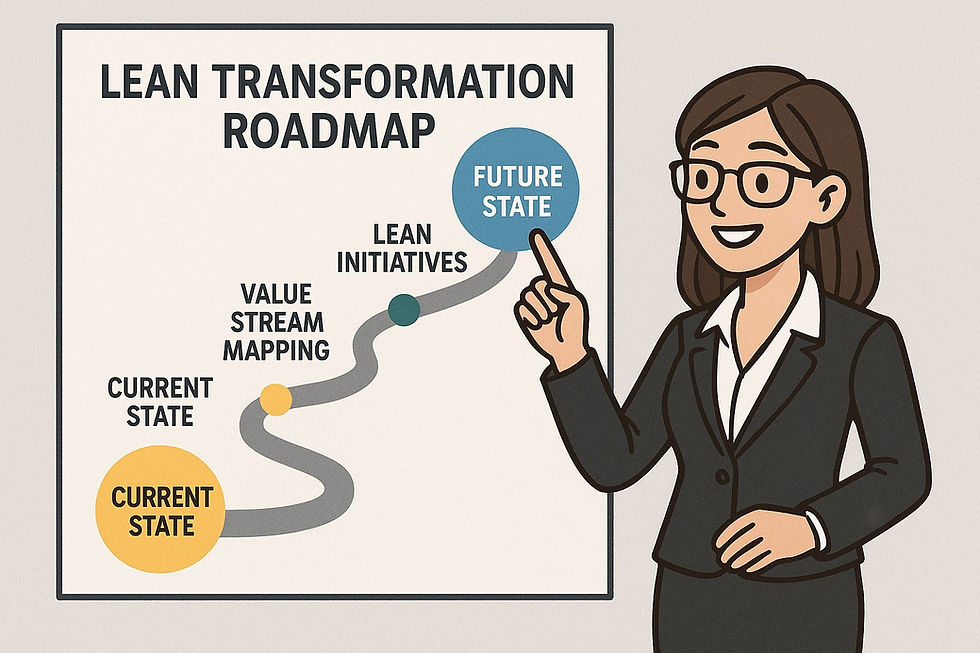
Element Plus Roadmap: Enterprise Planning and Risk Governance

In organizations adopting modern front-end frameworks, clarity around product roadmaps is essential for governance, architectural planning, and long-term platform sustainability. Element Plus, as a popular enterprise-facing UI component library based on Vue, is often embedded into customer-facing applications, internal platforms, and large-scale digital products.
For enterprise teams, understanding the Element Plus roadmap is not about curiosity, it is about managing technical risk, upgrade planning, and alignment with broader digital strategy.
This article explains what the Element Plus roadmap represents, how enterprises should interpret it, and how large organizations can incorporate roadmap intelligence into governance, delivery, and architectural decision-making.

What the Element Plus Roadmap Represents
The Element Plus roadmap outlines the planned evolution of the framework, including:
Feature enhancements
Component improvements
Performance optimizations
Compatibility updates
Deprecations and breaking changes
In enterprise environments, the roadmap acts as an early warning system for change rather than a simple feature wishlist.
Why the Element Plus Roadmap Matters to Enterprises
Platform Stability and Longevity
Large organizations invest heavily in front-end platforms. Roadmap visibility helps enterprises:
Assess long-term viability
Avoid technology dead ends
Plan sustainable architectures
Framework stagnation creates hidden cost and risk.
Upgrade and Dependency Planning
Enterprises typically operate with:
Long release cycles
Multiple dependent applications
Strict regression testing requirements
Roadmap awareness enables proactive upgrade planning rather than reactive remediation.
Security and Compliance Considerations
Framework updates often address:
Security vulnerabilities
Dependency updates
Performance and accessibility standards
Roadmap alignment supports compliance and risk management objectives.
Resource and Skills Planning
Knowing future changes allows organizations to:
Plan training and upskilling
Allocate development capacity
Align vendor or partner support
Typical Roadmap Themes Relevant to Enterprises
Framework Compatibility
Roadmaps often highlight:
Alignment with Vue core releases
Browser support updates
Dependency version changes
Compatibility issues can cascade across enterprise applications.
Component Maturity and Standardization
Enterprise teams look for:
Stable, production-ready components
Reduced breaking changes
Clear deprecation paths
Immature components introduce operational risk.
Performance and Accessibility
Roadmap priorities frequently include:
Rendering performance improvements
Accessibility enhancements
Internationalization support
These are critical for large-scale, public-facing systems.
Tooling and Developer Experience
Enterprises benefit from:
Improved documentation
Type safety and tooling integration
Testing and build support
Developer efficiency translates directly into cost control.
Interpreting the Roadmap Through an Enterprise Lens
Roadmap Is Directional, Not Contractual
Enterprise leaders should treat the roadmap as:
Indicative of intent
Subject to change
Influenced by community and contributor priorities
Risk planning should assume uncertainty.
Assess Impact, Not Just Features
Each roadmap item should be evaluated for:
Impact on existing applications
Dependency conflicts
Required refactoring effort
Feature value is secondary to stability impact.
Align Roadmap Review with Architecture Governance
Roadmap analysis should feed into:
Architecture review boards
Technical debt management
Platform standards
This prevents ad hoc adoption decisions.
Governance Approaches for Enterprises Using Element Plus
Establish a Front-End Platform Owner
A designated owner should:
Monitor roadmap developments
Assess enterprise impact
Communicate implications to delivery teams
This role reduces fragmentation.
Define Upgrade and Deprecation Policies
Enterprises should set:
Supported version ranges
Upgrade windows
End-of-life timelines
This creates predictability.
Separate Product Delivery from Platform Change
Platform upgrades should be:
Planned and tested independently
Rolled out incrementally
Governed centrally
This reduces disruption to business delivery.
Industry-Specific Considerations
Financial Services
Focus areas include:
Accessibility compliance
Security updates
Long-term support expectations
Roadmap stability outweighs innovation speed.
Public Sector and Utilities
Emphasis is placed on:
Accessibility standards
Browser compatibility
Predictable upgrade paths
Roadmap volatility is a risk factor.
Technology and Digital Product Organizations
More tolerant of:
Incremental change
Frequent upgrades
Experimental components
Still require architectural oversight.
Practical Guidance for Enterprise Teams
Monitor Official and Community Signals
Enterprises should track:
Official roadmap publications
Release notes
Community discussions
Early signals enable better planning.
Document Enterprise Impact Assessments
For major roadmap items, document:
Risk assessment
Required actions
Timeline implications
This supports governance transparency.
Avoid Over-Customization
Excessive customization increases:
Upgrade complexity
Dependency risk
Align closely with core framework patterns.
Sample Enterprise Platform Governance Statement
“The organization monitors the Element Plus roadmap to inform upgrade planning, risk management, and architectural decisions. Adoption of new features or major version upgrades is subject to enterprise governance review.”
Outcomes of Roadmap-Aware Adoption
Enterprises that actively manage roadmap alignment achieve:
Reduced upgrade risk
Lower technical debt
Improved delivery predictability
Stronger platform sustainability
These benefits compound across product portfolios.
Below is a concise, enterprise-focused FAQ section using H3 headings only, suitable for blog use and aligned to governance, architecture, and strategic planning concerns.
What is the Element Plus roadmap?
The Element Plus roadmap outlines planned features, improvements, and technical direction for the Element Plus UI framework. It provides visibility into upcoming changes that may affect functionality, performance, and long-term support.
Why does the Element Plus roadmap matter to enterprise teams?
For enterprises, the roadmap supports informed decision-making around platform stability, upgrade timing, and architectural alignment. It helps teams anticipate change and reduce technical risk across large-scale applications.
How reliable is the Element Plus roadmap for planning purposes?
Roadmaps represent intent rather than guarantees. Enterprise teams should treat the Element Plus roadmap as directional guidance and combine it with release notes, community activity, and governance controls.
How should enterprises use the Element Plus roadmap in governance?
Enterprises can integrate roadmap insights into technology governance processes. This includes dependency management, lifecycle planning, and approval of framework upgrades within change control boards.
Does the Element Plus roadmap impact long-term platform sustainability?
Yes. The roadmap indicates how actively the framework is maintained and whether it aligns with enterprise requirements such as performance optimization, accessibility, and compatibility with future Vue releases.
How does the roadmap influence architectural decision-making?
Architects use roadmap visibility to assess future compatibility, modular design choices, and technical debt exposure. It informs whether Element Plus remains a strategic fit or requires contingency planning.
How often should enterprise teams review the Element Plus roadmap?
Best practice is to review the roadmap at key planning intervals. This includes quarterly architecture reviews, major release planning cycles, and before committing to long-term development roadmaps.
Can roadmap changes introduce delivery risk?
Yes. Changes to scope, timelines, or deprecations can impact delivery schedules. Enterprises mitigate this risk through version pinning, controlled upgrades, and staged rollout strategies.
How should large organizations plan upgrades using the roadmap?
Upgrades should be planned as governed initiatives. This includes impact analysis, testing strategies, stakeholder communication, and alignment with broader digital transformation timelines.
Is the Element Plus roadmap suitable for regulated industries?
It can be, but regulated organizations must apply additional governance. This includes security reviews, documentation controls, and validation processes before adopting roadmap-driven changes.
What alternatives should be considered if roadmap alignment becomes an issue?
Enterprises may evaluate parallel frameworks, custom component strategies, or abstraction layers to reduce dependency risk while maintaining delivery momentum.
Who should own roadmap monitoring in an enterprise?
Ownership typically sits with platform teams, enterprise architects, or frontend guilds. Clear accountability ensures roadmap intelligence is translated into actionable governance decisions.
Conclusion
The Element Plus roadmap is a strategic input for enterprises relying on the framework as part of their digital platform stack. Rather than focusing on individual features, large organizations should interpret the roadmap through the lenses of stability, risk, governance, and long-term viability.
By embedding roadmap awareness into architecture and delivery governance, enterprises can continue to innovate while maintaining control, predictability, and resilience.
Hashtags
External Source
Element Plus official documentation and project overview https://element-plus.org/en-US/
Explore more great insights at https://www.projectmanagertemplate.com/