
Team Building Consultant: Tools and Techniques Used by Leading Consultants

A team building consultant plays a critical role in helping large organizations improve collaboration, communication, performance, and engagement across teams. In enterprise environments where cross functional cooperation, leadership capability, project delivery, and cultural alignment determine long term success, strong team dynamics are essential. Team building consultants specialize in diagnosing team challenges, facilitating workshops, strengthening interpersonal relationships, resolving conflicts, building trust, and creating environments where teams can operate at high performance levels.
As organizations expand across regions, functions, and business units, team structures become more complex. Many enterprises must coordinate work among global teams, hybrid teams, matrix structures, and project based teams. These environments create communication gaps, unclear roles, competing priorities, and collaboration challenges. Team building consultants help organizations develop the skills, processes, and cultural norms required to improve performance and cohesion in these settings.
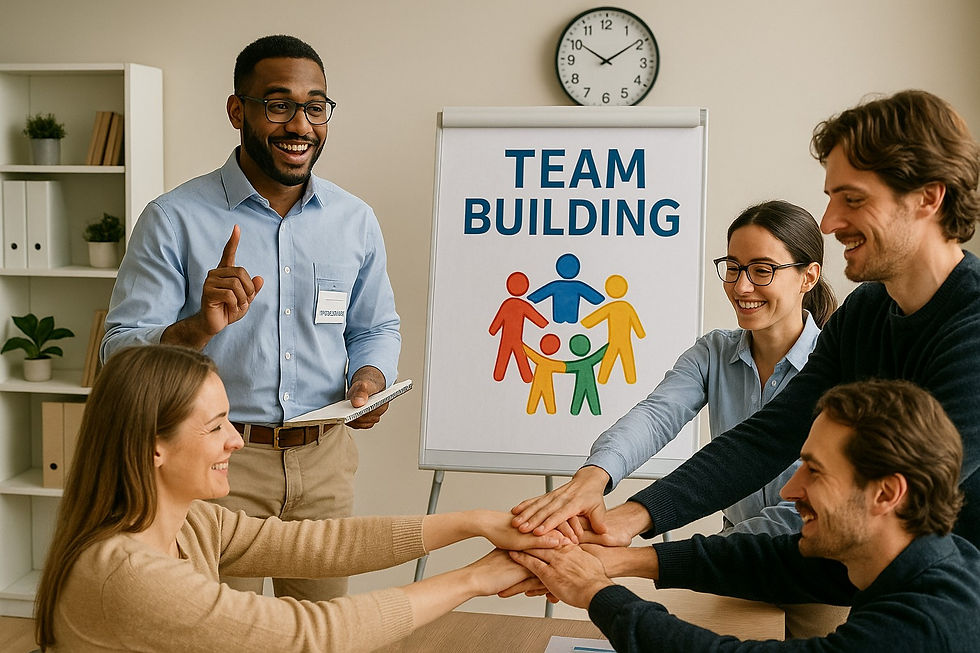
This enterprise focused blog provides a detailed overview of the role of a team building consultant, including responsibilities, techniques, team dynamics, assessment methods, facilitation strategies, conflict resolution support, leadership coaching, organizational benefits, and best practices for choosing and working with team building consultants.
What Is a Team Building Consultant
A team building consultant is a professional who helps organizations strengthen team performance through structured facilitation, diagnostics, coaching, and development activities. Their role is to help teams understand strengths, overcome obstacles, align goals, improve communication, and build trust based on proven organizational behavior frameworks.
Core Responsibilities:
diagnose team strengths and challenges
facilitate team building workshops
support conflict resolution
improve communication practices
coach leaders and team members
design group activities
support culture change
help rebuild dysfunctional teams
strengthen collaboration across functions
Team building consultants work across industries including finance, healthcare, technology, retail, manufacturing, and government.
Why Large Organizations Need Team Building Consultants
Large organizations face unique team related challenges.
1. Complex Organizational Structures
Matrix reporting, cross functional projects, and global collaboration increase communication complexity.
2. Fast Paced Work Environments
Teams must work together under pressure, often with tight deadlines and evolving priorities.
3. Cultural Differences
Global teams require cultural sensitivity and awareness.
4. Remote and Hybrid Work
Modern work models introduce communication gaps and engagement challenges.
5. Leadership Gaps
New or inexperienced leaders need support to manage team dynamics.
6. Change Resistance
Teams may struggle to adapt to reorganizations, digital transformation, or strategic shifts.
7. Interpersonal Conflict
Miscommunication and personality differences create tension.
Team building consultants provide structured intervention to improve collaboration and performance.
Benefits of Hiring a Team Building Consultant
1. Improved Team Communication
Consultants help teams build communication habits that create clarity and reduce misunderstandings.
2. Higher Collaboration and Cohesion
Consultants facilitate interactions that help teams cooperate effectively.
3. Stronger Trust
Teams perform better when trust is high.
4. Greater Productivity
Effective teams deliver results faster and with fewer errors.
5. Enhanced Leadership Skills
Leaders gain tools for managing personalities and motivating team members.
6. Reduced Conflict
Better communication reduces interpersonal issues.
7. Optimized Workflows
Consultants help teams identify inefficiencies.
8. Improved Engagement and Morale
Positive team dynamics increase job satisfaction.
9. Clearer Roles and Responsibilities
Role clarity prevents duplication and confusion.
10. Strategic Alignment
Teams understand organizational priorities and direction.
Team building consultants create measurable improvements in team performance.
Team Building Consultant Services
Team building consultants provide a wide range of services.
1. Team Diagnostics and Assessments
Consultants use structured tools to evaluate team health and dynamics.
Common Assessment Areas:
communication quality
trust and psychological safety
conflict resolution capability
leadership effectiveness
work style preferences
collaboration levels
decision making practices
clarity of goals
emotional intelligence
engagement and morale
Diagnostics form the foundation for tailored interventions.
2. Team Building Workshops
Workshops address specific needs using interactive methods.
Typical Workshop Topics:
improving communication
strengthening collaboration
building trust
solving conflicts
defining team expectations
clarifying goals
enhancing creativity
aligning to organizational strategy
Workshops may be delivered onsite, online, or in hybrid formats.
3. Leadership Coaching for Team Managers
Team leaders significantly influence team culture.
Coaching Topics:
leadership communication
delegation and accountability
emotional intelligence
conflict resolution
team motivation
decision making
managing hybrid teams
Strong leaders accelerate team improvement.
4. Conflict Resolution Facilitation
Consultants mediate disagreements.
Support Includes:
conflict diagnostics
structured resolution sessions
communication coaching
aligned action plans
ongoing monitoring
Conflict resolution requires skillful facilitation.
5. Team Charter Development
A team charter defines team expectations and norms.
Components:
team purpose
roles and responsibilities
working agreements
communication guidelines
decision making processes
conflict resolution methods
performance expectations
Team charters improve alignment and accountability.
6. Personality and Behavioral Assessments
Consultants use assessment tools to understand team behavior.
Examples of Assessment Concepts:
work style preferences
collaboration styles
motivation drivers
emotional intelligence levels
communication preferences
These insights support better interpersonal understanding.
7. Team Performance Coaching
Consultants coach teams to achieve specific goals.
Performance Areas:
project delivery
cross functional collaboration
operational efficiency
innovation capability
strategic alignment
Performance coaching blends team development with operational improvement.
8. Change Management Support
Team building consultants help teams navigate change.
Change Support Areas:
addressing resistance
communicating change effectively
clarifying team impacts
rebuilding team stability
supporting new processes
Change initiatives often require team cohesion.
9. Hybrid and Remote Team Optimization
As more teams operate remotely, consultants support:
virtual communication tools
meeting effectiveness
virtual collaboration practices
remote engagement strategies
digital etiquette
online team building
Remote team support is essential in modern enterprises.
Team Building Consultant Techniques and Tools
Consultants use a wide range of facilitation methods.
1. Structured Workshops
Workshops include exercises such as:
communication exercises
trust building activities
collaborative problem solving
scenario based activities
brainstorming and innovation sessions
Workshops strengthen interpersonal understanding.
2. Facilitation Techniques
Consultants guide discussions using:
guided dialogue
reflective listening
structured questioning
group debriefs
feedback models
Facilitators ensure that all voices are heard.
3. Psychological Safety Techniques
To build trust, consultants promote an environment where team members feel safe to speak openly.
Techniques Include:
nonjudgmental feedback
open sharing
active listening
respect for differences
Psychological safety drives team performance.
4. Emotional Intelligence Training
Teams learn how to manage emotions and respond thoughtfully.
Topics Include:
self awareness
empathy
self regulation
social awareness
relationship management
High emotional intelligence supports collaboration.
5. Team Dynamics Frameworks
Consultants use proven frameworks such as:
stages of team development
conflict style inventories
communication models
trust building frameworks
leadership behavior models
Frameworks provide structure and common language.
6. Gamification and Team Challenges
Interactive challenges make team building engaging.
Activities Include:
problem solving games
competitive challenges
group puzzles
scenario simulations
Gamification encourages teamwork and creativity.
7. Reflection and Feedback Exercises
Consultants encourage teams to reflect on strengths and areas for improvement.
Techniques Include:
journaling
sharing sessions
feedback circles
self assessments
Reflection strengthens awareness.
Team Building Consulting for Leadership Development
Leadership capability is strongly tied to team performance.
Consultants Support Leaders By:
improving communication
increasing emotional intelligence
strengthening delegation skills
guiding conflict resolution
building facilitation capability
improving strategic thinking
Leadership development enhances overall team culture.
How a Team Building Consultant Assesses Team Challenges
Consultants use multiple data sources.
Assessment Methods:
interviews
surveys
observation
performance metrics
meeting analysis
behavior analysis
leadership feedback
Comprehensive assessment ensures targeted interventions.
Common Team Challenges Identified by Consultants
1. Poor Communication
Teams struggle with clarity, listening, or conflict.
2. Lack of Trust
Low trust reduces performance and morale.
3. Role Confusion
Unclear responsibilities cause duplicated work.
4. Low Engagement
Teams feel disconnected from purpose.
5. Personality Conflicts
Differences in style cause tension.
6. Weak Leadership
Leaders lack management capability.
7. Unproductive Meetings
Time is wasted due to lack of structure.
8. Limited Collaboration
Teams work in silos.
Consultants help teams overcome these obstacles.
How Team Building Consultants Support High Performing Teams
High performers focus on:
shared goals
collective accountability
effective communication
constructive conflict
trust and respect
shared purpose
continuous improvement
Consultants strengthen these capabilities.
The Role of Team Building Consultants in Organizational Culture
Team building consultants support culture improvement by:
fostering collaboration
improving cross team trust
reducing friction
promoting positive behavior
aligning teams to values
supporting culture change initiatives
Culture is strengthened through consistent team practices.
Digital Tools Used in Team Building Engagements
Consultants may use:
collaboration software
digital whiteboards
surveys and poll tools
virtual breakout platforms
personality assessment systems
Digital tools support both in person and remote teams.
Best Practices for Hiring a Team Building Consultant
1. Hire Consultants With Enterprise Experience
Large organizations require specialized expertise.
2. Choose Consultants With Strong Facilitation Skills
Facilitation is central to the role.
3. Look for Assessment Capabilities
Reliable diagnostics support targeted improvement.
4. Verify Knowledge of Organizational Psychology
Team dynamics rely on behavioral science.
5. Check for Hybrid and Remote Team Expertise
Modern teams require digital collaboration focus.
6. Ensure Alignment With Organizational Values
Consultants should reinforce positive culture.
7. Request Customized Approaches
Avoid one size fits all methods.
8. Involve Leaders in the Selection Process
Leadership support is crucial.
Best Practices for Working With a Team Building Consultant
Define Clear Objectives
Ensure alignment on goals.
Communicate Expectations
Teams must understand purpose and outcomes.
Engage Leadership
Leaders should model participation.
Encourage Openness
Teams must be willing to explore challenges.
Reinforce Improvements
Apply insights to daily operations.
Measure Impact
Track engagement, communication quality, and performance improvements.
Explore this great article on Creating effective teams from Mckinsey
Conclusion
Team building consultants play a significant role in helping large organizations develop cohesive, collaborative, and high performing teams. They diagnose team challenges, facilitate workshops, support conflict management, coach leaders, and drive improvements in communication, trust, and engagement. In complex enterprise environments where team performance directly influences business outcomes, the expertise of a team building consultant is invaluable. By combining behavioral science, facilitation skills, emotional intelligence, and strategic insight, consultants help organizations build resilient, motivated, and effective teams that deliver strong results.
Key Resources and Further Reading
Hashtags
.


