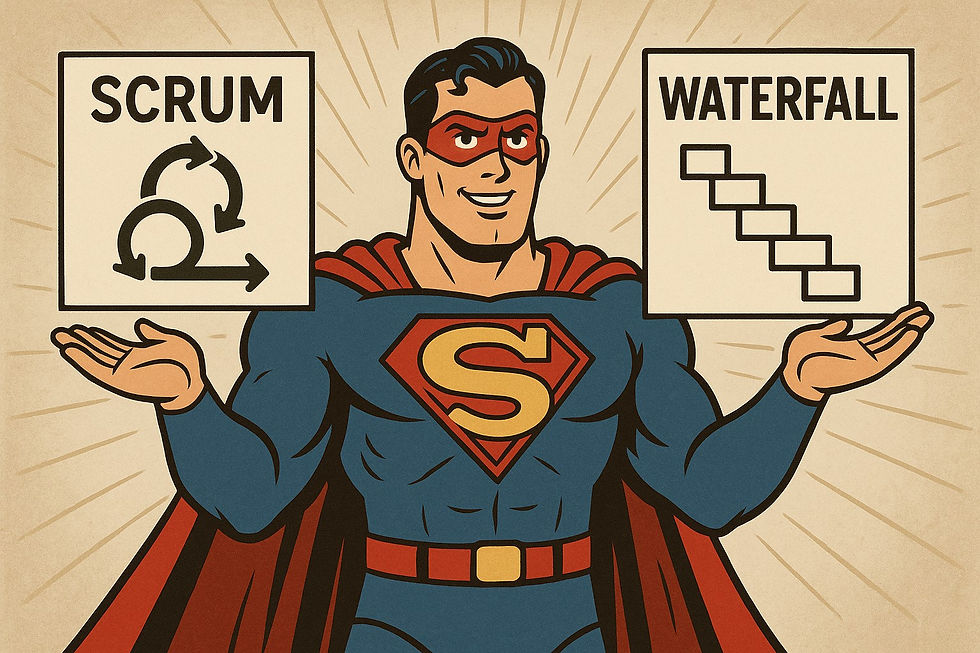
Scrum vs Kanban for Agile Project Teams

In the knowledge-driven economy, organizations are under constant pressure to deliver value faster, adapt to change more effectively, and maintain operational efficiency across increasingly complex environments.
For knowledge-based teams whether in technology, product development, consulting, marketing, or service operations the way work is structured and managed directly influences performance outcomes. As a result, agile frameworks such as Scrum and Kanban have become central to modern project and workflow management strategies.
While both Scrum and Kanban originate from agile principles and share a commitment to transparency, collaboration, and continuous improvement, they approach work management in fundamentally different ways. Scrum introduces structured roles, defined ceremonies, and time-boxed iterations to create rhythm and predictability.
Kanban, by contrast, focuses on visualizing workflow, limiting work in progress, and optimizing delivery flow without imposing fixed cycles. For many organizations, the decision between these frameworks is not merely operational it has strategic implications for governance, accountability, and delivery performance.

The challenge lies in understanding which framework best aligns with your team’s nature of work, demand volatility, and organizational maturity. Knowledge-based teams often deal with intangible deliverables, shifting priorities, and interdependent tasks that require both flexibility and coordination.
Selecting the wrong framework can result in unnecessary rigidity, delivery bottlenecks, or lack of accountability. Conversely, selecting the right approach can significantly improve throughput, stakeholder confidence, and team engagement.
In enterprise environments, this decision becomes even more critical. Leaders must consider not only team productivity but also reporting requirements, scaling implications, cross-functional coordination, and long-term capability development. What works for a small, co-located team may not translate seamlessly into a multi-departmental or globally distributed organization.
This article examines Scrum vs Kanban for Agile Project Teams, defining characteristics, advantages, and limitations of Scrum and Kanban, providing a practical comparison designed to support informed decision-making.
By understanding the structural differences, cultural implications, and performance metrics associated with each framework, you will be better equipped to determine which methodology or combination of methodologies best supports your team’s objectives and broader organizational strategy.
Understanding Scrum and Kanban in Project Management
Scrum and Kanban are two popular agile frameworks that cater to project management, especially within knowledge-based teams. Scrum is structured around fixed-length iterations called sprints, typically lasting two to four weeks. During this time, the team focuses on delivering a potentially shippable product increment.
Roles like Scrum Master, Product Owner, and Development Team members define the framework, ensuring accountability and communication. Scrum's ceremonies, including sprint planning, daily stand-ups, and retrospectives, facilitate collaboration and reflection, making it an effective choice for teams that thrive on structure and feedback.
On the other hand, Kanban is more fluid and less prescriptive. It visualizes work in progress using boards that display tasks in different states, such as "To Do," "In Progress," and "Done." Kanban emphasizes continuous delivery and allows for work to be pulled into the workflow without the constraints of fixed iterations.
This flexibility makes it suitable for teams that need to adapt quickly to changing priorities or external demands. By limiting work in progress, Kanban helps prevent bottlenecks and improves overall flow, fostering an environment of continuous improvement.
Understanding the unique characteristics of these two frameworks is crucial for knowledge-based teams. While Scrum provides the rigor of defined roles and time-bound sprints, Kanban offers the freedom to adapt and respond to changing circumstances. This article will explore the key differences, advantages, and scenarios where each framework excels, ultimately guiding you in selecting the best methodology for your project needs.
Key Differences Between Scrum and Kanban Explained
The foundational differences between Scrum and Kanban can be distilled into their approach to work management and team dynamics. Scrum relies heavily on time-boxed iterations, creating a sense of urgency and focus within the team. In contrast, Kanban's approach is flow-based, allowing teams to prioritize tasks based on urgency and capacity without the confines of time constraints.
This fundamental distinction shapes how teams plan, execute, and review their work, influencing their overall efficiency and output.
Another significant difference lies in the roles and responsibilities within each framework. Scrum has clearly defined roles, including the Scrum Master, who facilitates the process, and the Product Owner, responsible for managing the product backlog.
This structure fosters accountability and collaboration, ensuring that everyone knows their responsibilities. Kanban, however, does not impose such defined roles, allowing team members to take on multiple responsibilities as needed.
This adaptability can be advantageous for smaller teams or those with a fluid structure, but it may lead to ambiguity in larger organizations without clear role definitions.
Finally, the metrics for measuring success differ between the two frameworks. Scrum often focuses on velocity, which measures the amount of work completed in a sprint, whereas Kanban emphasizes cycle time, which tracks how long it takes for a task to move from start to finish.
Understanding these metrics is vital for knowledge-based teams, as they can influence decisions regarding resource allocation, project timelines, and overall team performance.
When to Choose Scrum for Knowledge-Based Teams
Scrum is particularly effective in environments where product development is complex and requires frequent feedback loops. Knowledge-based teams engaged in software development, product design, or research and development can benefit significantly from Scrum's structured approach.
The ability to iterate quickly allows teams to adjust their priorities based on customer feedback and market demands, fostering a culture of continuous improvement and innovation.
Additionally, Scrum is well-suited for teams that thrive on collaboration and accountability. The defined roles and ceremonies within Scrum create an environment where communication is paramount.
Daily stand-ups encourage regular check-ins, helping to identify roadblocks early and ensuring that everyone is aligned on project goals. This collaborative spirit is essential for knowledge-based teams, where sharing insights and expertise can lead to better decision-making and outcomes.
Lastly, if your organization values extensive planning and structured documentation, Scrum may be the way to go. The artifacts produced during Scrum sprints, such as sprint backlogs and burndown charts, provide valuable insights into project progress and future planning. This level of documentation can be especially beneficial for larger enterprises that require detailed reporting and oversight.
The Advantages of Kanban for Project Flexibility
One of the primary advantages of Kanban is its remarkable flexibility, which makes it an ideal choice for knowledge-based teams facing unpredictable workloads or rapidly changing project priorities.
Unlike Scrum's fixed sprints, Kanban allows teams to pull tasks into the workflow when they have the capacity to handle them, enabling a more fluid approach to project management.
This adaptability is particularly valuable in industries where requirements often shift based on client or market needs, allowing teams to respond promptly without the pressure of meeting sprint deadlines.
Moreover, Kanban’s visual management system provides immediate insights into the workflow, helping teams identify bottlenecks and areas for improvement.
By visualizing tasks on a board, team members can see what is currently being worked on, what is upcoming, and where delays may be occurring. This transparency fosters a culture of continuous improvement, empowering teams to optimize their processes and enhance productivity continually.
Additionally, Kanban’s focus on limiting work in progress (WIP) contributes to improved quality and reduced stress within the team. By capping the number of tasks being worked on simultaneously, Kanban encourages teams to complete tasks before taking on new ones.
This approach minimizes context switching and allows team members to concentrate on delivering high-quality results, which is particularly crucial for knowledge-based teams that rely heavily on expertise and innovation.
How Scrum Facilitates Team Collaboration and Accountability
Collaboration is at the heart of Scrum, making it a favorite among knowledge-based teams that prioritize teamwork and innovation. The structured framework provides various ceremonies that encourage team members to communicate regularly.
Daily stand-up meetings ensure that everyone is on the same page, allowing for immediate discussion of any challenges or blockers experienced during the sprint. This routine not only builds camaraderie but also fosters a sense of shared responsibility for the project's success.
Scrum also emphasizes accountability through defined roles and responsibilities. The Scrum Master acts as a facilitator, ensuring that the team adheres to the Scrum process while removing impediments that may hinder progress.
The Product Owner, who manages the product backlog, is responsible for prioritizing tasks based on user needs and business objectives. This clarity in roles ensures that all team members understand their contributions to the project, enhancing overall accountability and focus.
Further, Scrum's iterative approach allows for regular feedback and improvement. The sprint retrospective at the end of each iteration encourages teams to reflect on their performance, discussing what went well and what can be improved.
This culture of openness and constructive feedback is vital for knowledge-based teams, where continuous learning and adaptation are essential for success. By regularly assessing their performance, teams can iterate on their processes, further enhancing collaboration and accountability.
Kanban’s Focus on Continuous Improvement and Flow
Kanban's emphasis on continuous improvement is one of its most appealing features for knowledge-based project teams. Unlike fixed iterations, Kanban promotes an ongoing process of evaluation and adjustment.
Teams are encouraged to assess their workflow regularly and identify areas where they can improve efficiency or quality. This focus on continuous enhancement not only keeps teams agile but also leads to innovative solutions that can significantly impact project outcomes.
The flow-based nature of Kanban allows for smoother transitions between tasks, reducing the time spent on switching contexts. By visualizing work in progress, team members can quickly identify bottlenecks and make informed decisions on how to address them.
This transparency fosters a culture of collaboration, as team members can easily see where assistance is needed and offer support to one another, enhancing overall team synergy and productivity.
Additionally, Kanban's practice of limiting work in progress allows teams to maintain a steady flow, which is essential for high-quality output. When teams focus on completing tasks before taking on new ones, they reduce the likelihood of errors and oversights.
This focus on flow and completion not only improves the quality of deliverables but also enhances team morale, as members experience the satisfaction of finishing tasks and contributing to the collective success of the project.
Hybrid Approaches: Combining Scrum and Kanban Styles
For knowledge-based teams, a hybrid approach that combines elements of both Scrum and Kanban can offer the best of both worlds. This flexibility allows teams to harness Scrum's structured framework while also benefiting from Kanban's adaptability and focus on flow.
By adopting a hybrid model, teams can create a customized project management system that aligns with their specific needs and working styles.
A common hybrid approach involves using Scrum's iterative cycles while integrating Kanban's visual boards. Teams can plan their sprints and utilize Scrum's defined roles and ceremonies, while also visualizing their tasks on a Kanban board.
This combination allows them to maintain the accountability and collaboration that Scrum offers while also enjoying the flexibility and continuous improvement associated with Kanban.
Implementing a hybrid model requires careful consideration and communication within the team. It is essential to clearly define how the two methodologies will work together and ensure that all team members are on board with the approach.
This requires a commitment to ongoing experimentation and adaptation, as the hybrid model may need adjustments to find the right balance between structure and flexibility for the specific context of the team.
Ultimately, the choice between Scrum and Kanban for knowledge-based project teams hinges on the specific dynamics of the team and the nature of the projects they handle. Scrum's structured approach is ideal for teams that thrive on collaboration and need regular feedback, while Kanban’s adaptable framework works wonders for those facing unpredictable environments.
By understanding the strengths and limitations of each methodology, organizations can make informed decisions that pave the way for more efficient and successful project outcomes.
Frequently Asked Questions (FAQ)
What is the main difference between Scrum and Kanban?
The primary difference lies in how work is planned and delivered. Scrum uses fixed-length sprints with defined roles and ceremonies, while Kanban focuses on continuous flow, allowing work to be pulled as capacity becomes available. Scrum emphasizes predictability through time-boxing, whereas Kanban prioritizes flexibility and responsiveness.
Which framework is better for knowledge-based teams?
Both frameworks are well suited to knowledge-based work. Scrum works best for teams delivering defined increments of value in planned cycles, while Kanban is ideal for teams managing unpredictable, incoming work such as support, operations, or advisory services. The choice depends on work volatility and planning needs.
Is Scrum more structured than Kanban?
Yes. Scrum is a prescriptive framework with defined roles, ceremonies, and artifacts, which provides structure and accountability. Kanban is less prescriptive and allows teams to design their own workflows, making it more adaptable but potentially less disciplined without strong governance.
Can Scrum and Kanban be used together?
Yes. Many organizations adopt Scrumban, a hybrid approach that combines Scrum’s planning discipline with Kanban’s flow optimization. This approach is common in enterprise environments transitioning from sprint-based delivery to more continuous workflows.
How do Scrum and Kanban handle changing priorities?
Scrum limits change during a sprint to protect delivery focus, with priorities typically adjusted between sprints. Kanban allows priorities to change at any time, making it better suited to environments where work demand shifts frequently.
What metrics are used in Scrum versus Kanban?
Scrum commonly uses velocity and sprint burndown charts to measure delivery performance. Kanban focuses on cycle time, lead time, and work-in-progress (WIP) to optimize flow and identify bottlenecks. Each set of metrics supports different management objectives.
Which framework scales better in large organizations?
Both can scale, but they do so differently. Scrum often requires additional scaling frameworks for enterprise use, while Kanban scales more organically through shared flow principles. Large organizations typically choose based on governance requirements and delivery maturity.
Do Scrum and Kanban require different leadership styles?
Yes. Scrum leaders focus on facilitation, coaching, and sprint discipline, while Kanban leaders emphasize flow efficiency, system thinking, and continuous improvement. Leadership alignment is critical for success with either framework.
Is Kanban easier to adopt than Scrum?
Kanban is often easier to adopt initially because it requires fewer structural changes and roles. Scrum typically demands more upfront commitment to roles, ceremonies, and planning discipline, but can deliver stronger predictability once embedded.
Which framework provides better predictability?
Scrum generally offers greater short-term predictability due to sprint commitments. Kanban provides long-term predictability by improving flow stability and reducing variability over time.
How should organizations decide between Scrum and Kanban?
Organizations should assess work type, demand variability, team maturity, and governance needs. Teams delivering planned work in cycles often benefit from Scrum, while teams managing continuous, evolving work tend to perform better with Kanban.
Can teams switch frameworks as they mature?
Yes. Many teams evolve from Scrum to Kanban or adopt hybrids as their work patterns change. Framework choice should be treated as a strategic decision, revisited as organizational needs evolve.
Conclusion - Scrum vs Kanban for Agile Project Teams
Choosing between Scrum and Kanban is not about selecting a “better” framework it is about selecting the approach that best aligns with the nature of your work, your team’s maturity, and your organization’s strategic objectives.
Both methodologies are rooted in agile principles and designed to improve transparency, collaboration, and delivery performance. However, their structural differences mean they solve different operational challenges.
Scrum provides discipline through defined roles, time-boxed sprints, and structured ceremonies. It is particularly effective for teams delivering planned increments of value where predictability, cadence, and accountability are critical.
Kanban, on the other hand, excels in environments characterized by variability and continuous demand. By focusing on flow optimization and limiting work in progress, it enhances responsiveness and reduces bottlenecks without imposing rigid time constraints.
For enterprise leaders, the decision should be informed by more than team preference. Governance requirements, reporting expectations, cross-functional dependencies, and scalability must all be considered. In many cases, organizations discover that a hybrid or evolutionary approach such as Scrumban delivers the balance of structure and flexibility required in complex environments.
Ultimately, the effectiveness of Scrum or Kanban does not depend solely on the framework itself, but on disciplined implementation, leadership alignment, and a culture committed to continuous improvement.
When applied thoughtfully, either approach can drive measurable gains in productivity, stakeholder satisfaction, and strategic execution. The key is clarity understanding how your team works best and aligning your framework accordingly.
Meta Description: Discover the strengths of Scrum and Kanban for knowledge-based
External Source for CTA:
For more insights on the differences between Scrum and Kanban, explore this article from Scrum Alliance: Scrum vs. Kanban
Discover More great insights at